How Much Does It Cost to Buy a Condo in Hoboken or Jersey City?
Condo Costs in Hoboken & Jersey City: As of 2026, Hudson County condo prices range from $750k to over $3.5M. A major shift in NJ law (July 2025) now requires sellers, not buyers, to pay the Graduated Percent Fee (Mansion Tax) on properties over $1M. Consequently, buyers primarily budget for lender fees, attorney costs, and title insurance (2–5%), while sellers handle the tiered tax burden. The Jill Biggs Group provides full transparency on these updated closing costs.
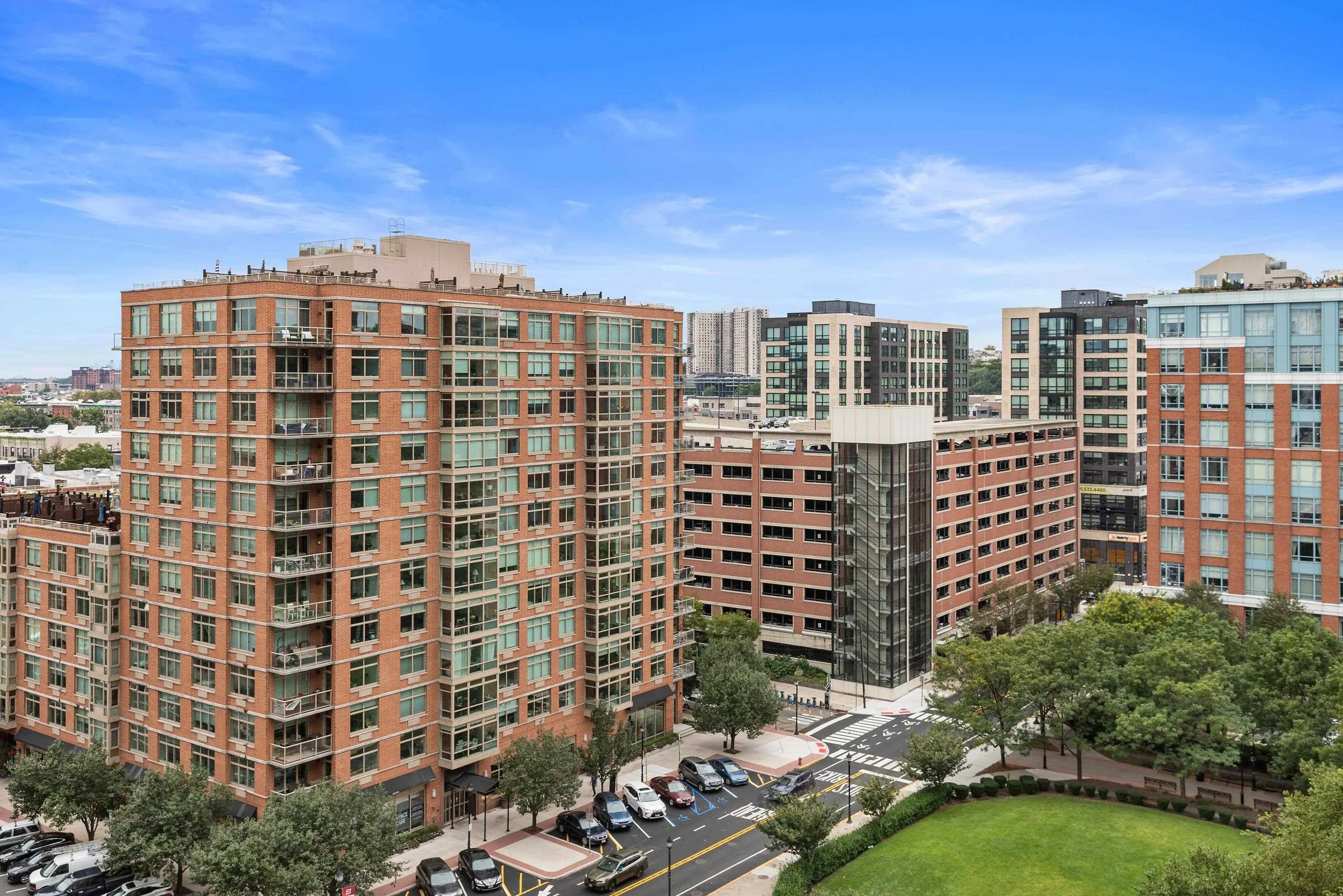
Modern high-rise condo buildings in Hoboken and Jersey City, where total buying costs include down payment, closing fees, and HOA expenses.
Buying a condo in Hoboken or Jersey City in 2026 typically requires a 5% to 20% downpayment, plus an additional 2-3% for closing costs.
For most buyers, total upfront cash needed ranges from $40,000 to $200,000+, depending on price point and loan structure.
Looking to successfully buy real estate in Hudson County? Check out our complete 2026 guide!
Now let’s break down what that really looks like and where buyers are most often surprised.
Key Takeaways: Buying a Condo in Hoboken or Jersey City (2026)
Most buyers need down payment + 2–5% closing costs + lender reserves
You do not need 20% down to buy
Condo HOA fees significantly impact total monthly carry
Jumbo loan thresholds matter above $832,750
Buildings with weak reserves can complicate financing
Total upfront cash often ranges from $40,000 to $200,000+
Down Payment Requirements in 2026
You do not need 20% down to buy in Hoboken or Jersey City.
Most condo purchases are structured like this:
3–5% down – Available for qualified buyers
10% down – Very common for condos
20% down – Avoids PMI and strengthens offers
Jumbo loans – May require 10–20% depending on profile and building
Loan limits matter.
In 2026, the baseline conforming loan limit for most U.S. markets is $832,750, according to the Federal Housing Finance Agency.
If your loan amount exceeds that, you may enter jumbo territory, which can change reserve requirements and underwriting standards.
For a full breakdown specific to this area, see our article on 2026 Conforming Loan Limits for Hudson County.
The right down payment strategy depends on your long-term plan — not just the minimum required.
Closing Costs in Hudson County
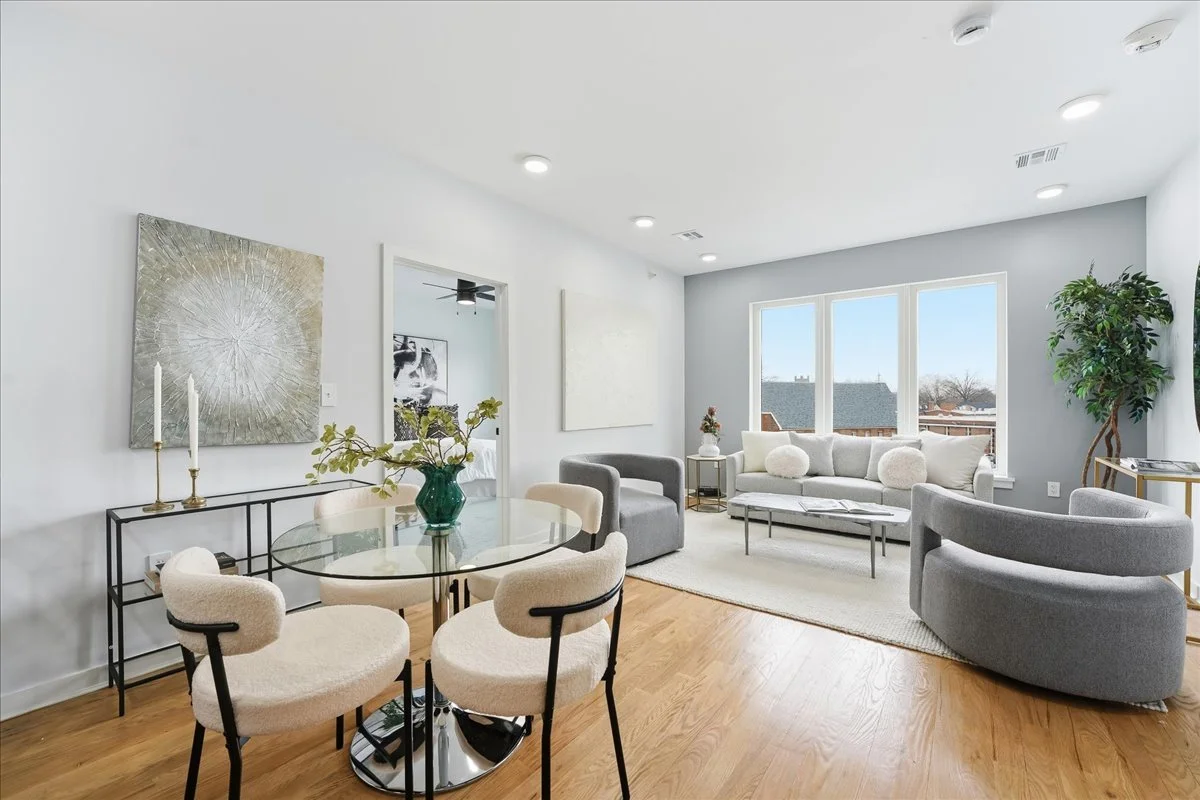
Condo interiors in Hoboken and Jersey City — where purchase price and closing costs directly impact total investment.
Beyond the down payment, buyers should plan for approximately 2% to 5% of the purchase price in closing costs.
According to the Consumer Financial Protection Bureau, closing costs typically fall within this range depending on loan type and prepaids.
These costs may include:
Lender fees
Attorney fees
Title insurance
Appraisal
Recording fees
Prepaid taxes and insurance
Example:
On a $900,000 condo, closing costs may range from $18,000 to $45,000, depending on credits negotiated and loan structure.
HOA Fees: What Buyers Often Overlook
Most condos in Hoboken and Jersey City include monthly HOA fees.
Typical ranges:
$300–$600/month in smaller walk-ups
$600–$1,200+/month in elevator or amenity buildings
HOA fees often cover:
Building insurance
Maintenance
Trash
Common areas
Amenities
Sometimes water or heat
Fannie Mae guidelines require certain condo projects to maintain adequate reserve funding for financing eligibility.
Before buying, review:
Reserve balance
Delinquency rate
Pending assessments
Recent capital improvements
Not all buildings are equal — even at the same price point.
Cash Reserve Requirements
Many buyers forget this piece.
Lenders often require 2–6 months of mortgage payments in reserves after closing. Jumbo loans may require more.
This means your liquidity needs could include:
Down payment
Closing costs
PLUS untouched savings after closing
Realistic Cash Needed Examples (2026)
Below is a simplified illustration of what buyers should expect at different price points in Hoboken and Jersey City.
| Purchase Price | Down Payment | Closing Costs (3%) | Estimated Reserves | Estimated Total Cash Needed |
|---|---|---|---|---|
| $750,000 | $75,000 (10%) | $22,500 | $15,000–$25,000 | ~$115,000–$125,000 |
| $1,000,000 | $100,000 (10%) | $30,000 | $20,000–$40,000 | ~$160,000–$180,000 |
| $1,500,000 | $300,000 (20%) | $45,000 | $30,000–$60,000 | ~$390,000–$420,000 |
These are illustrative examples. Your structure may vary based on loan type, negotiated credits, and lender guidelines.
Is Renting Cheaper Than Buying in 2026?

Careful analysis of your finances and market advice from top local realtors like The Jill Biggs Group are critical when considering whether you should rent vs buy a condo.
Renting offers flexibility. Buying builds equity.
In many Hoboken and Jersey City price brackets, monthly ownership costs can be comparable to rent — especially long term.We break this down fully in our article on Renting vs Buying in Hoboken and Jersey.
The right decision depends on:
Timeline
Career plans
Liquidity
Long-term investment goals
What Buyers Get Wrong Most Often
Underestimating closing costs
Forgetting lender reserve requirements
Focusing only on purchase price, not total monthly carry
Not reviewing building financials early
Assuming every condo qualifies for every loan
Visit our detailed guide For more information on buying real
FAQ: Buying a Condo in Hoboken or Jersey City (2026)
-
Most buyers need down payment plus closing costs plus post-closing reserves. In 2026, a common total cash range is $40,000 to $200,000+ depending on price point and loan type.
-
Closing costs often fall in the 2% to 5% range of the purchase price, not including your down payment.
-
No. Many qualified buyers use 3–5% or 10% down options. Twenty percent down can reduce PMI and improve offer strength, but it is not mandatory.
-
HOA fees often cover building insurance, maintenance, common area upkeep, trash, and sometimes utilities. Always review the building budget and reserves.
-
Many lenders require 2–6 months of payments in reserves to ensure financial stability. Requirements may increase for jumbo loans.
-
A condo questionnaire allows the lender to verify the building’s financial health. Weak reserves or high delinquency can impact financing eligibility.
Work with a Top Agent in Hobken and Jersey City
Buying a condo in Hoboken or Jersey City in 2026 is absolutely achievable — but clarity matters.
Most buyers underestimate:
Closing costs
Reserve requirements
HOA structure
The smartest approach is building your financial strategy before you start touring properties.
If you're considering buying in Hoboken or Jersey City, we can help you run the numbers clearly — without surprises.
Reach out to The Jill Biggs Group to build a smart, local buying strategy.