
Hoboken

Living in Hoboken, New Jersey
One square mile on the Hudson. Fourteen minutes to Midtown. A housing market that has held its value through every cycle for two decades, and a city guide written by the team that has closed more of it than anyone else.
Hoboken at a Glance
Hoboken at a Glance: The Essentials
Location & size: A 1.25-square-mile city on the Hudson River waterfront, directly across from Manhattan.
Median home price: $990,000 as of August 2026; one-bedrooms from the $550s, two-bedrooms $700s to $1.2M+.
Rent (2026): averaging $4,492/month per RentCafe, with studios from $3,405 and one-bedrooms from $3,801.
Commute to NYC: 14 minutes to Midtown by PATH train; about 10 minutes to Midtown by ferry.
Neighborhoods: Downtown, Midtown, Uptown, and the Waterfront, one walkable grid, four distinct price points.
Best known for: walkability, waterfront parks, restaurants, strong schools growth, and long-term housing value.
Sources: JBG MLS closed-sales data, the Hoboken Real Estate Market Report, August 2026 (sale prices), and RentCafe (rent data). Figures move with the market; see the latest report for current numbers.
If you have spent any time researching where to live near New York City, Hoboken keeps coming up. And for good reason.
In just over one square mile, this city manages to pack in a PATH train to Midtown in fourteen minutes, a waterfront that genuinely rivals anything in Manhattan, one of the strongest dining scenes in Hudson County, and a real estate market that has held its value through every cycle for the past two decades.
We have been selling homes here since the late 1990s. This guide is everything we tell buyers who are seriously considering Hoboken: the real numbers, the neighborhood differences that matter, the commute reality, the school landscape, and the honest comparison to Jersey City when buyers are weighing both.
See what your budget buys in Hoboken
Tell us your price range and must-haves, we’ll send you a curated list of current Hoboken homes that match, usually within one business day.
The Neighborhoods
Hoboken Neighborhoods: Downtown, Midtown, Uptown & the Waterfront
Hoboken runs one linear mile from the Terminal to the northern parks. Where you land on that mile shapes your commute, your building stock, and your everyday routine. Read the city the way we price it, south to north.
Downtown
The most transit-dense blocks in the city, anchored by the Terminal and the southern end of Washington Street. Historic brownstone walk-ups, boutique condos, and continuous PATH departures into late night. Best forDaily NYC commuters who put transit speed above everything else. The Commute Guide 7th to 11th StreetMidtown
Noticeably calmer than Downtown without feeling like a different city. Converted multi-families, boutique condos, and a Washington Street dining stretch that has anchored the neighborhood for decades. Best forBuyers who want Hoboken quality at slightly more accessible pricing. The Dining Guide 11th to 15th StreetUptown
The most residential stretch of the city, where families cluster around Maxwell Place Park and Stevens Park. Townhomes, roomier elevator buildings, and a ferry commute many residents quietly prefer. Best forFamilies prioritizing parks, space, and the school landscape. The Schools Guide Sinatra DriveThe Waterfront
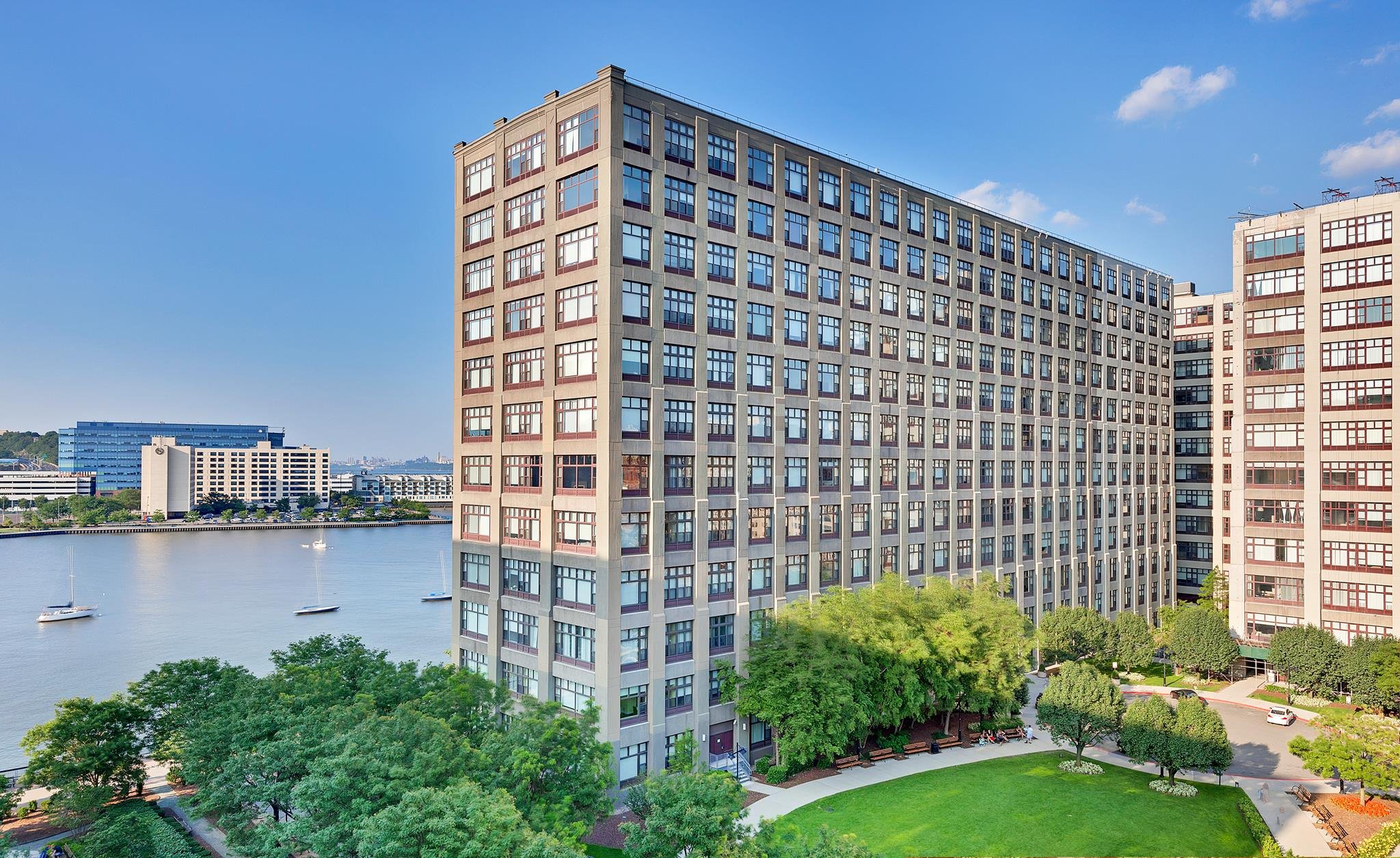
Full-service buildings on the Hudson, doormen, fitness, parking, and the Manhattan skyline out the window. The premium is real, and it has historically held, because the supply of these units is fixed. Best forBuyers for whom views and amenities are the primary criteria. Waterfront ListingsThe Market · 2026
The Hoboken Real Estate Market in 2026
Hoboken is 1.25 square miles, fully built out, with no meaningful way to add inventory at scale. That single structural fact is why demand has stayed strong across every market cycle, and why buyers who purchased a decade ago have generally been rewarded.
Buying
$990K MEDIAN
Where the market cleared in August 2026.
Renting
$4,492 AVERAGE
Average monthly rent per RentCafe, updated April 2026.
How Listings Behave
Priced right,
gone in a week.
Figures reflect 2026 market conditions and move with the market, ask us for a current, address-specific analysis.
Run the Home Sale CalculatorThe Buyers
Who Moves to Hoboken?
The NYC commuter done with Manhattan prices
They want a PATH train to the office, a neighborhood they can walk everywhere in, and more square footage than their current apartment. Hoboken delivers all three at a median of roughly $990,000, versus well over $1.3M for comparable Manhattan inventory.
The young professional who wants city life without city rent
The Washington Street restaurant scene, the waterfront parks, the social energy of a compact city, most of what Manhattan offers at about 37% less for housing and 31% less overall.
The family that outgrew Jersey City or Manhattan
Uptown in particular has become the destination for buyers who want larger units, proximity to Maxwell Place and Stevens Park, and access to public and private school options that have improved dramatically over the past decade.
The investor
Hoboken is fully built out, renter demand from NYC commuters is consistent, one-bedrooms rent between $3,800 and $4,500 per month, and well-located units rarely sit vacant long.
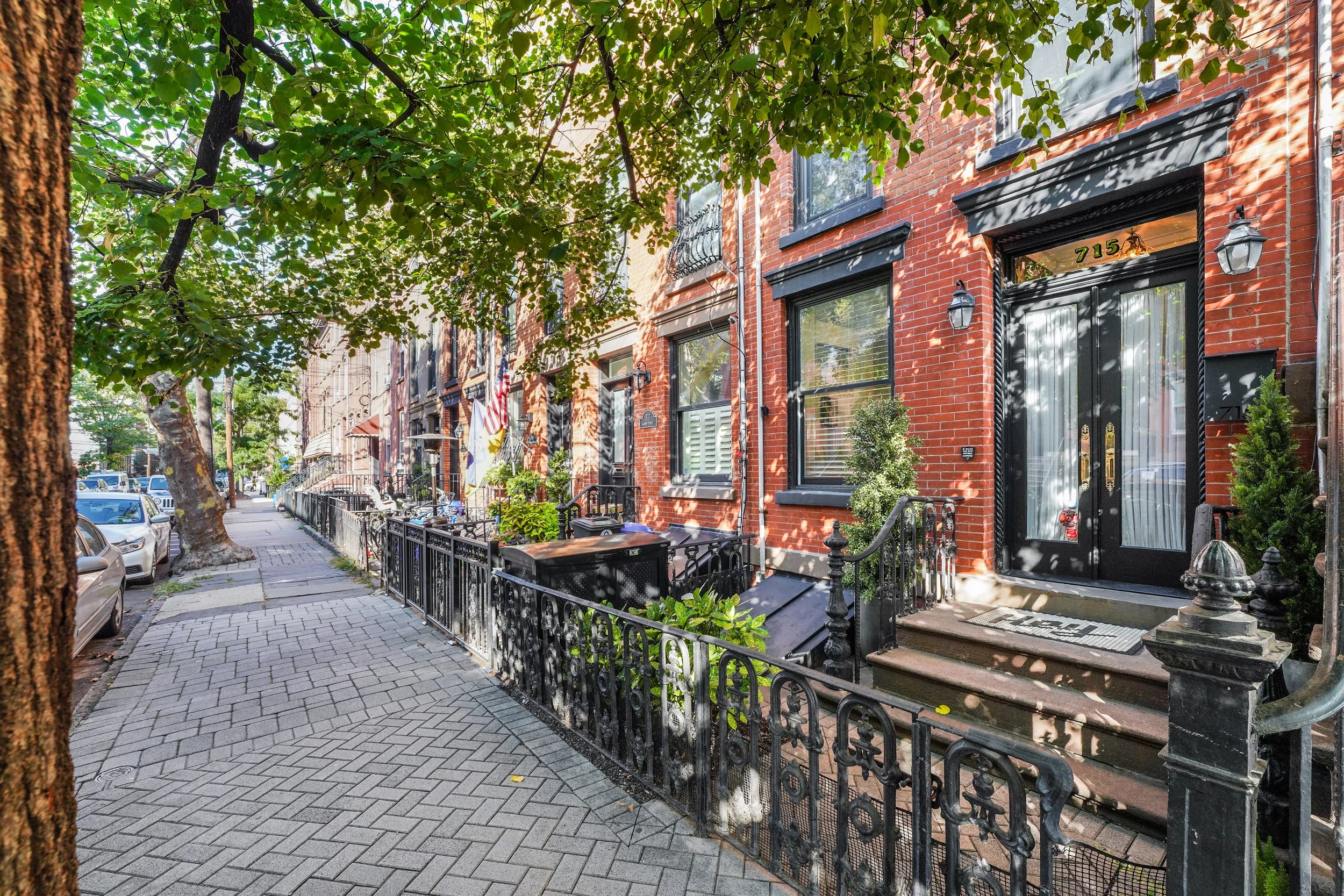
How locals describe it
“Small, but stacked.”
Walk it end to end · Waterfront · Errands · Coffee · Dinner, all in one afternoon
The Commute
Commuting from Hoboken to New York City
The commute is Hoboken's clearest selling point, and it deserves specific numbers, not adjectives.
PATH Train
14 MIN
Hoboken Terminal → 33rd St, Midtown
10 to 12 minutes to World Trade Center. Around-the-clock service; unlimited monthly passes run about $124 to $131.50.
NY Waterway Ferry
10 MIN
Pier A / Port Imperial → Midtown & Downtown
The scenic commute. Many Uptown residents prefer it precisely because it skips the Terminal foot traffic at peak hours.
Light Rail & Tunnels
HBLR + CAR
Hudson-Bergen Light Rail · Holland & Lincoln
Light Rail connects north to Weehawken and south through Jersey City. Most Manhattan workers still choose transit over the tunnels.
The Comparison
Hoboken vs. Jersey City: Which Is Right for You?
The most common decision we work through with buyers. It comes down to three honest questions: how much does neighborhood feel matter, where do you work, and what is your budget.
Hoboken
Consistently walkable with a single, unified identity, one coherent place from end to end.
Competitive Midtown commute; 14 minutes on the PATH.
Above $1M, waterfront and renovated brownstones compete with Jersey City's best product.
Jersey City
Larger and more varied, neighborhoods that feel genuinely different from each other.
Faster to Downtown Manhattan: 8 to 10 minutes from Exchange Place or Grove Street.
More price variability, entry points below $600K that Hoboken simply cannot match.
The Hoboken Library
Hoboken Guides & Resources
Thirty-seven local guides, organized the way buyers ask. Start anywhere, each one goes deeper than this page can.
The Commute
5 guidesBuying Here
8 guidesSelling Here
8 guidesSchools & Homes
3 guidesLife on the Mile
9 guidesRelocation
3 guidesRenting
1 guideThe Collection
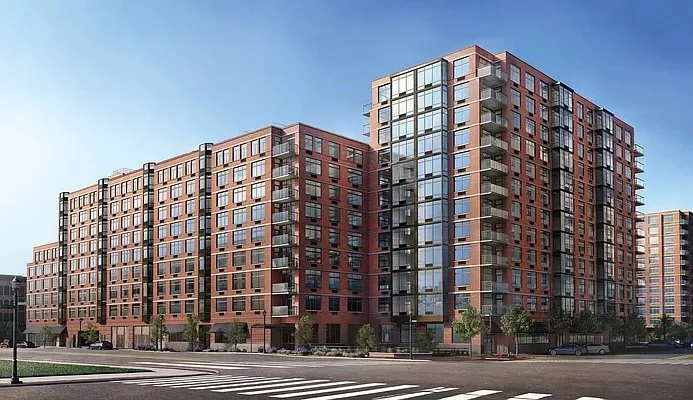
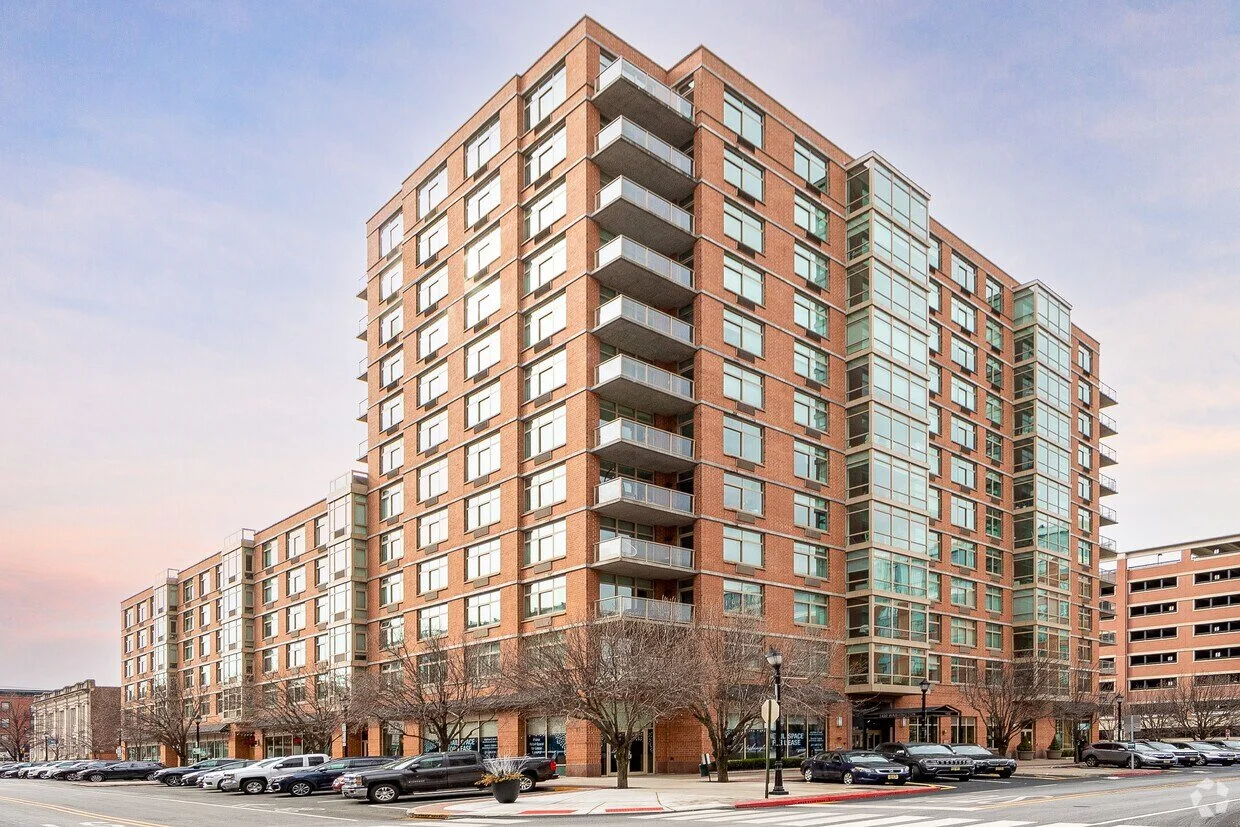
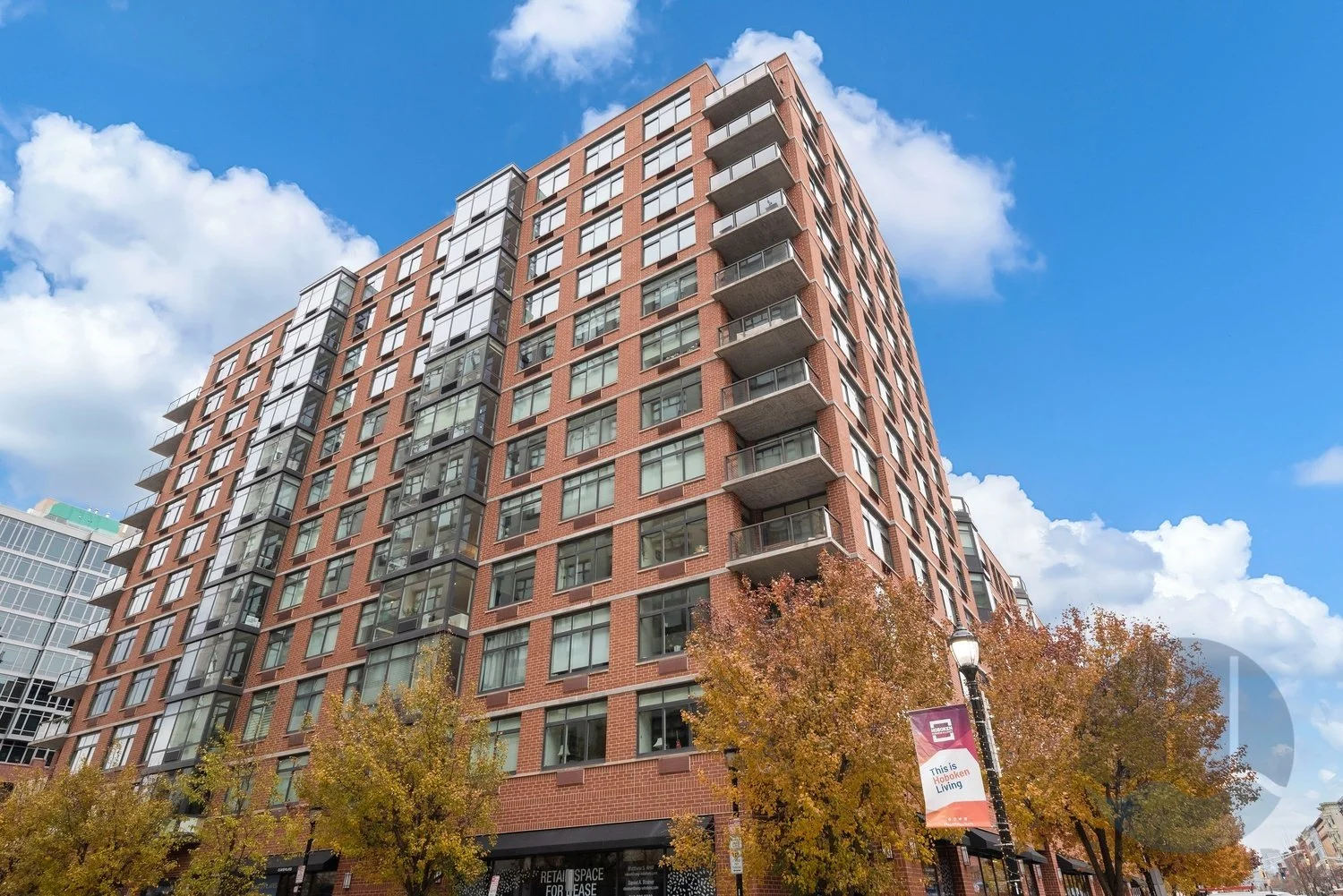
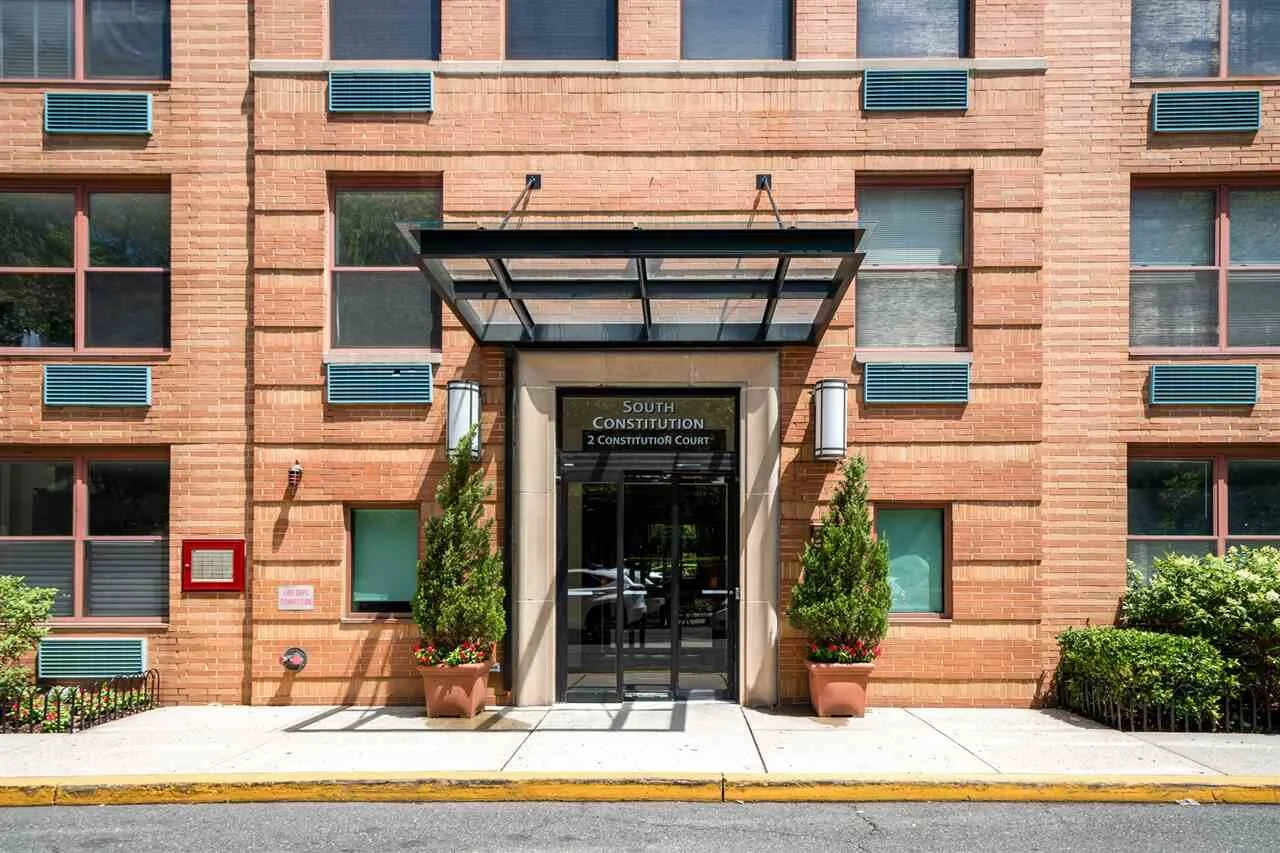
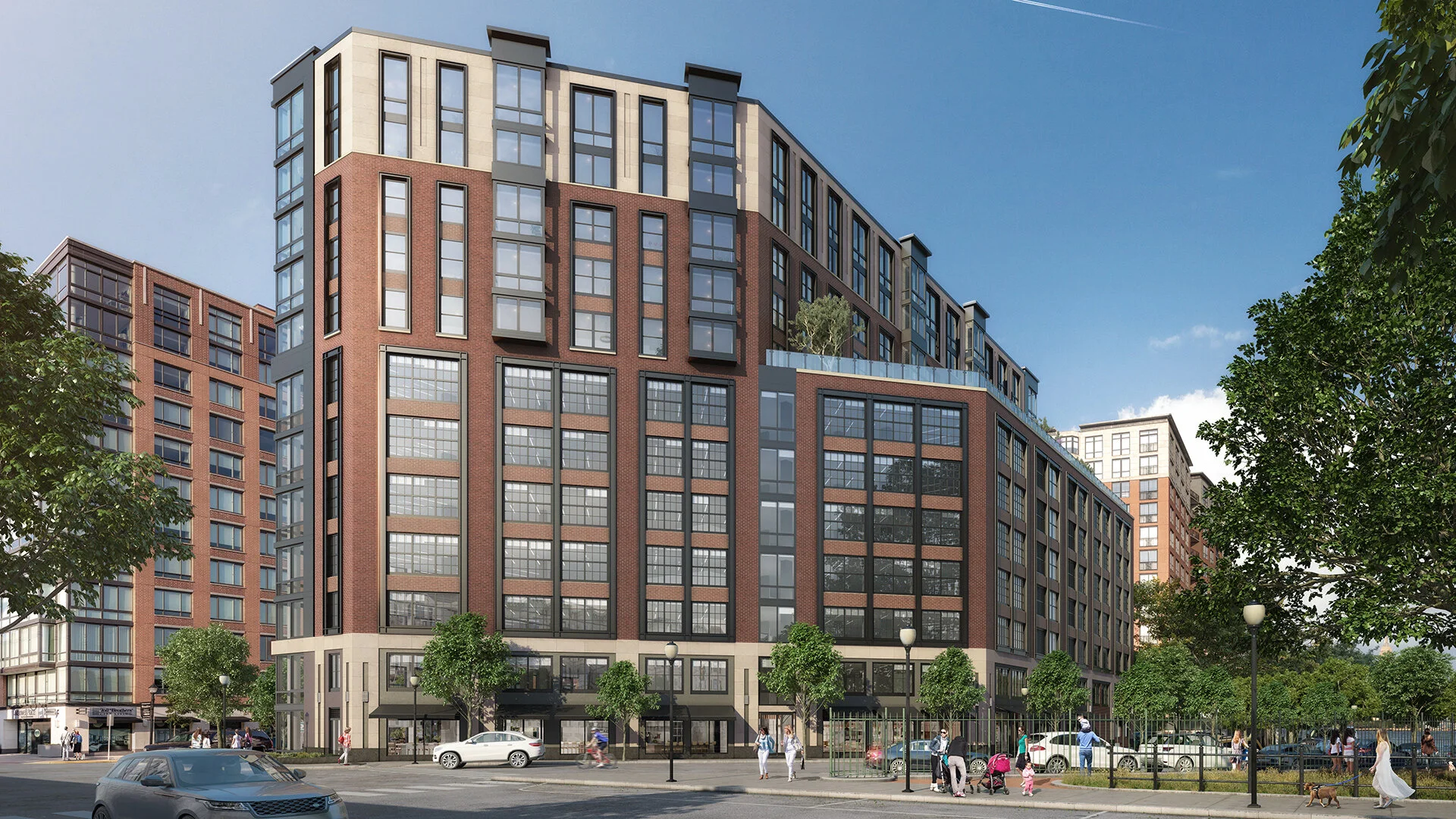
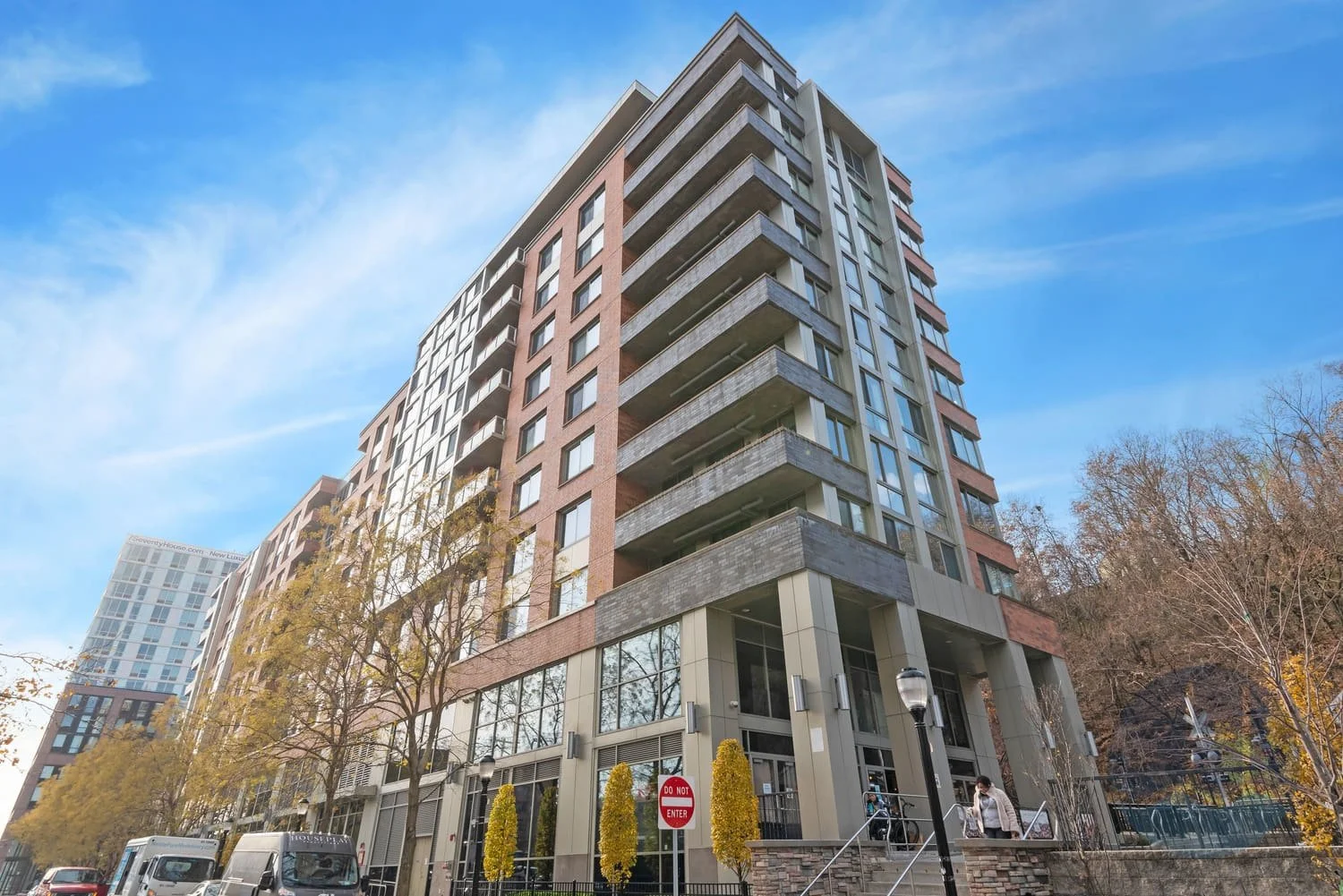
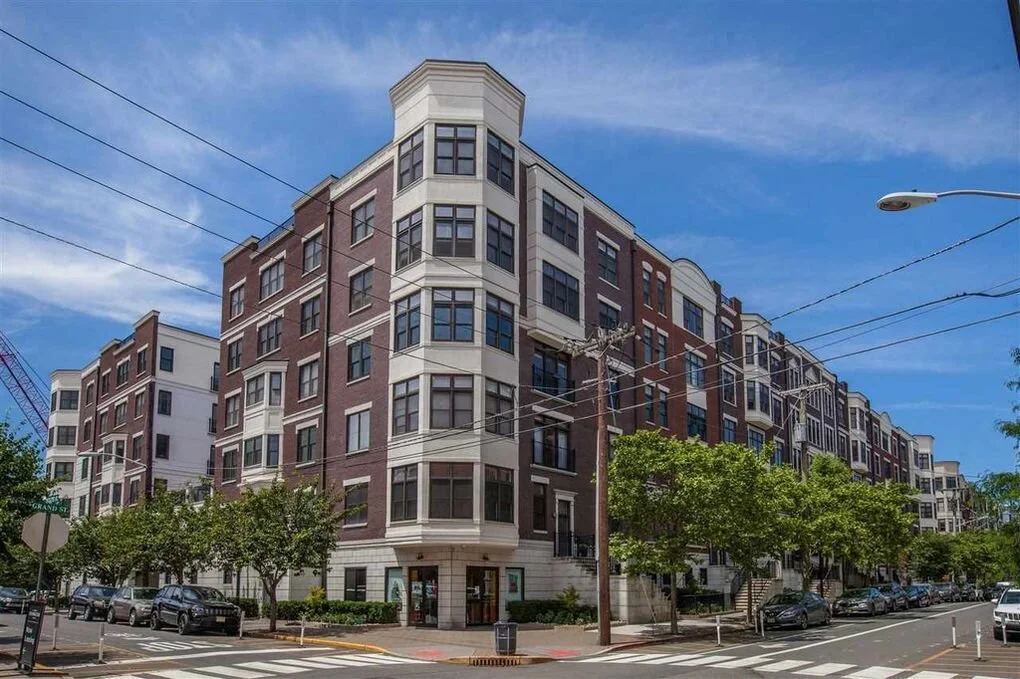
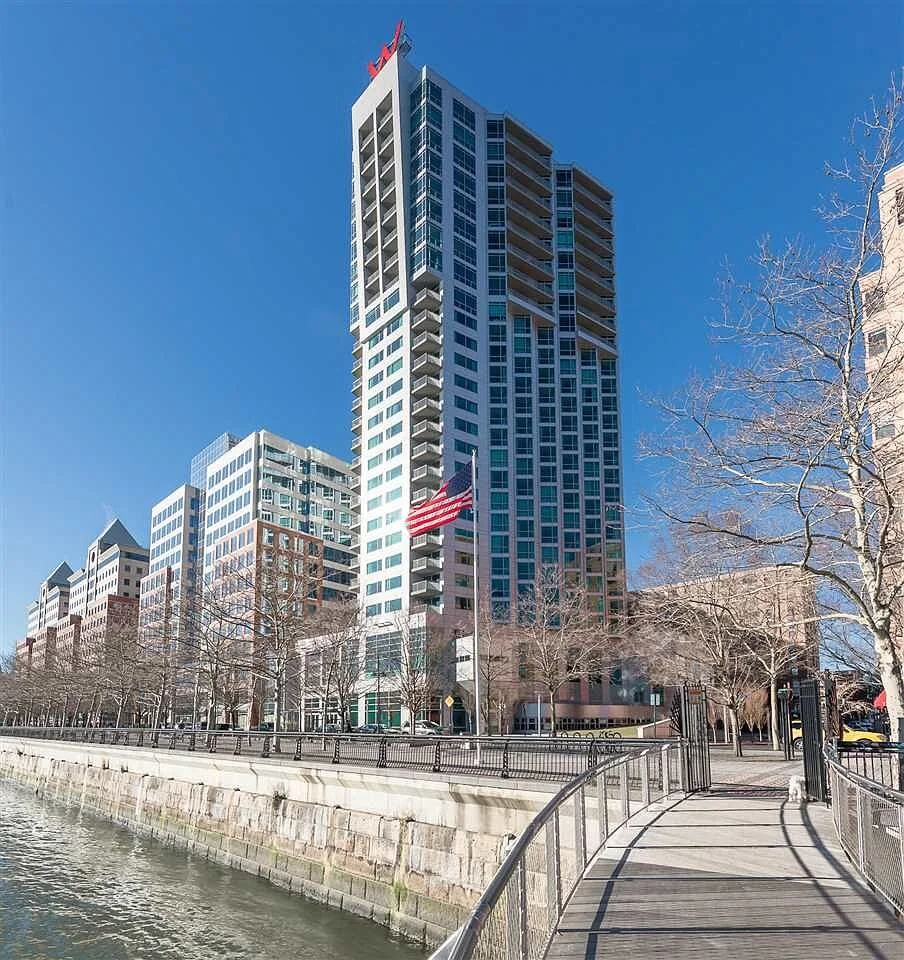
Condo Buildings in Hoboken
The full-service condominiums and converted landmarks we're asked about most, each with its own dedicated guide.
1400 Hudson
Uptown1425 Hudson
Uptown1450 Washington
UptownThe Constitution South at the Shipyard
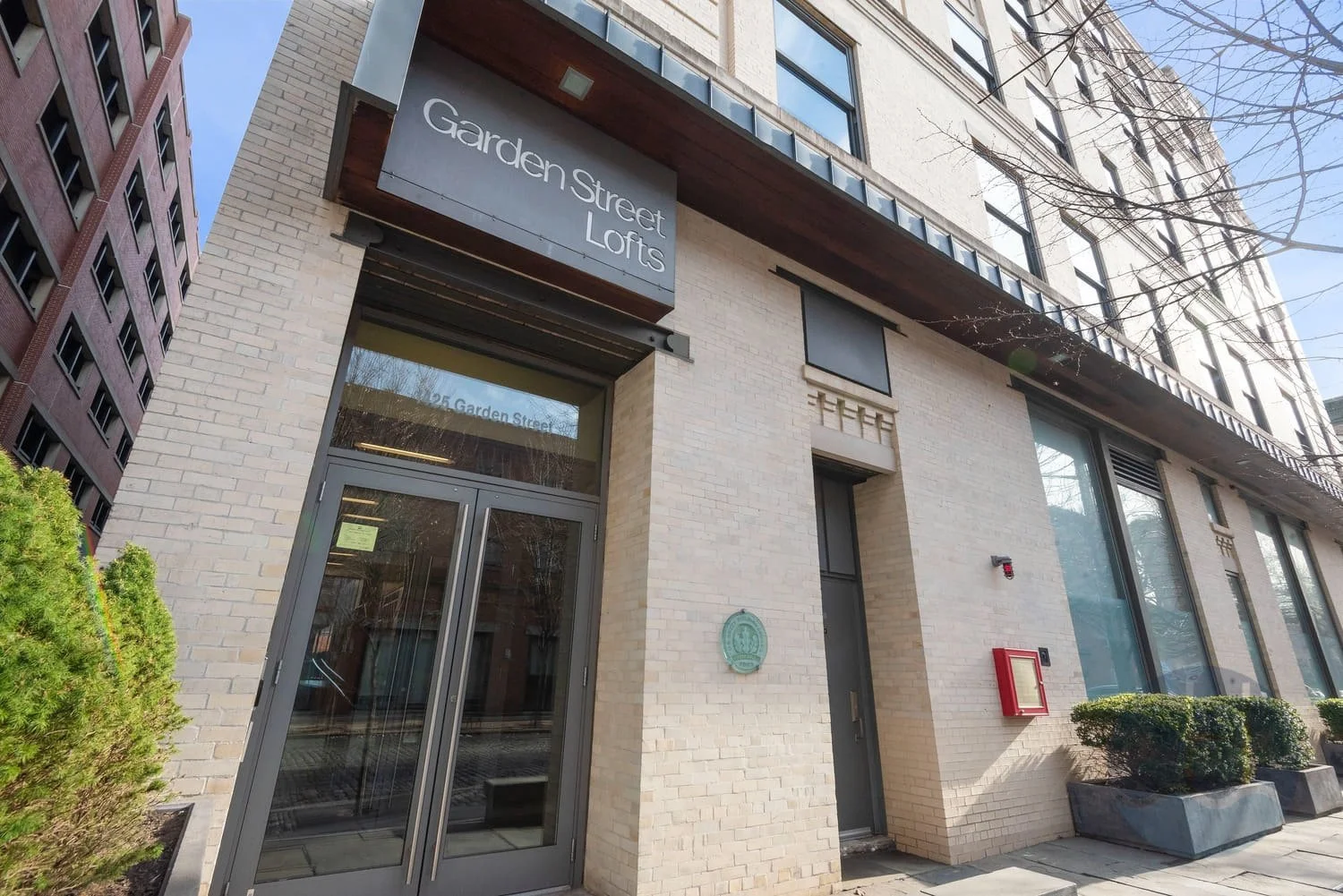
WaterfrontGarden Street Lofts
DowntownHarborside Lofts
WaterfrontHoboken Grande
DowntownHudson Tea Building
WaterfrontMaxwell Place
WaterfrontMetro Stop
UptownThe Skyline
DowntownThe Sky Club
MidtownUpper Grand
UptownW Residences
WaterfrontWonder Lofts
Uptown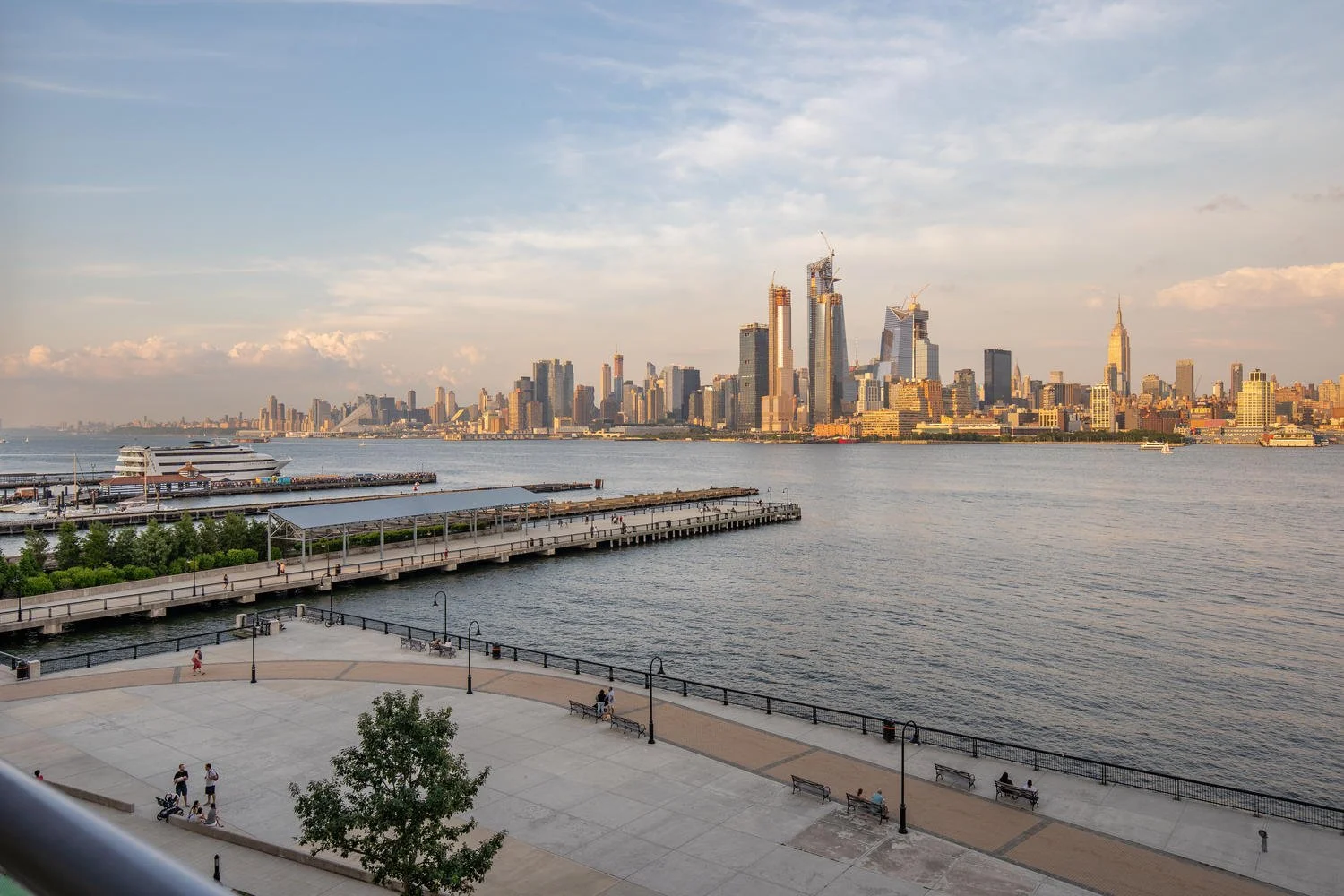
The Hoboken Waterfront
“The skyline is the amenity.”
Maxwell Place Park · Sinatra Drive · The Hudson River
The Gallery
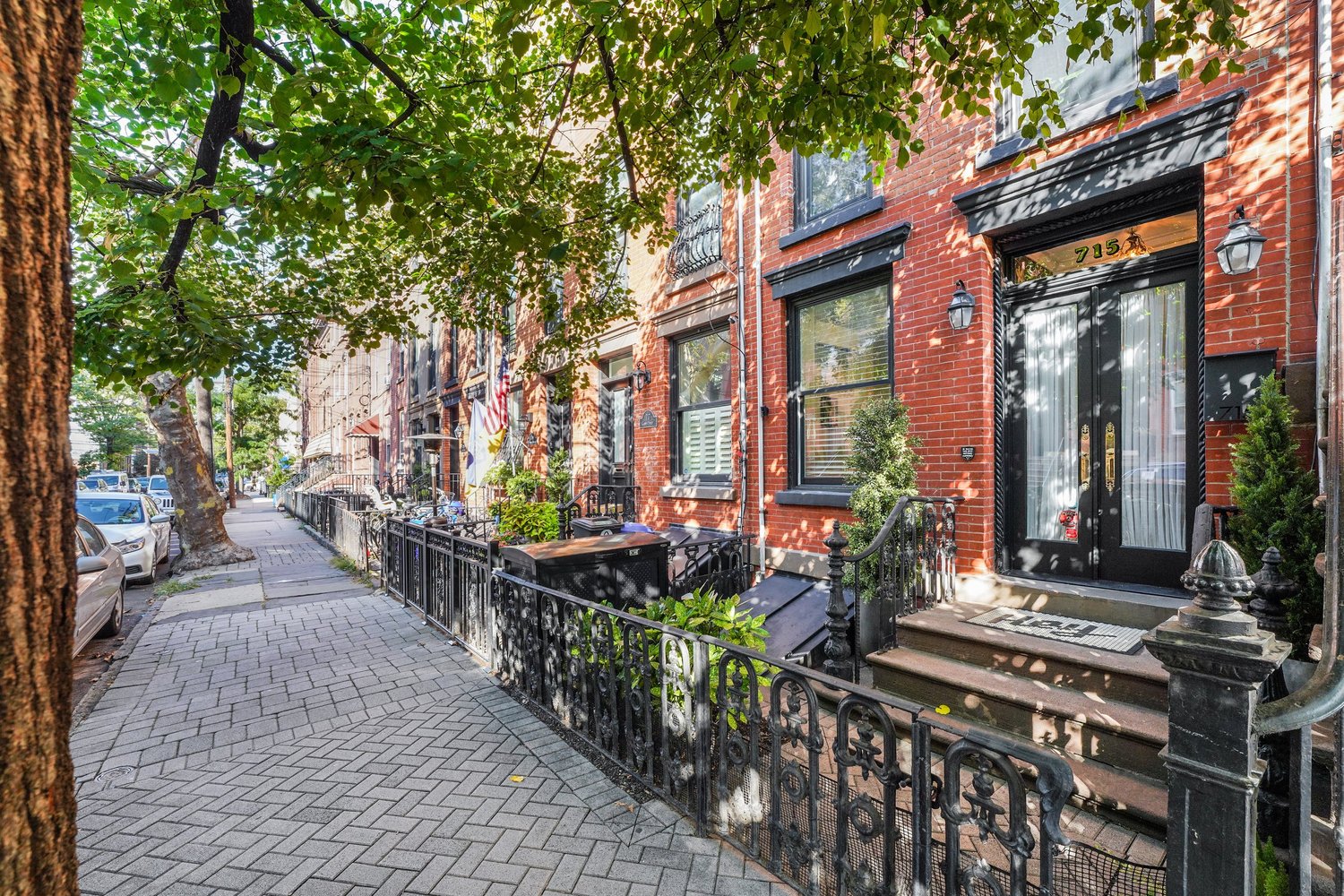
Gallery of Hoboken, New Jersey
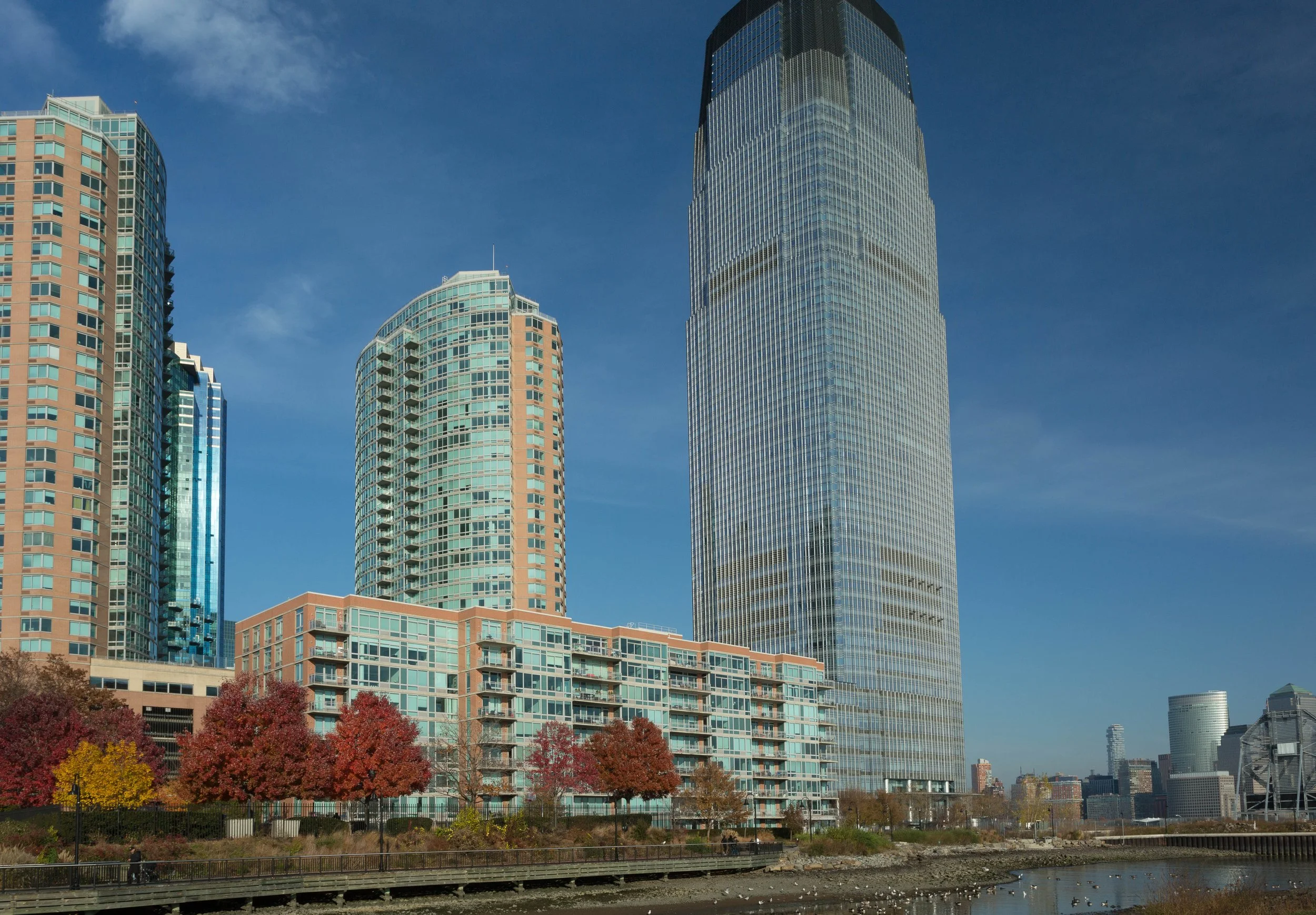
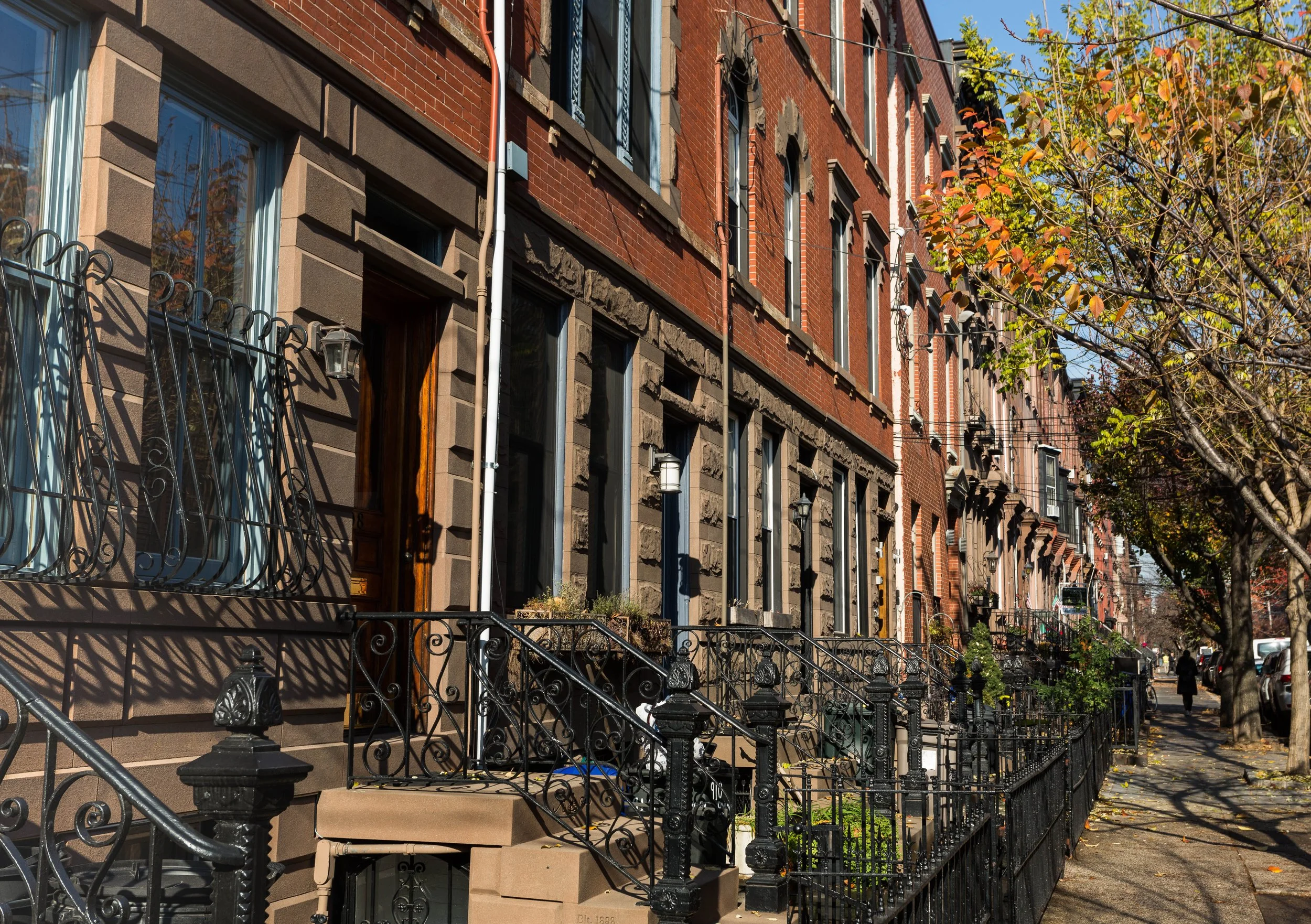
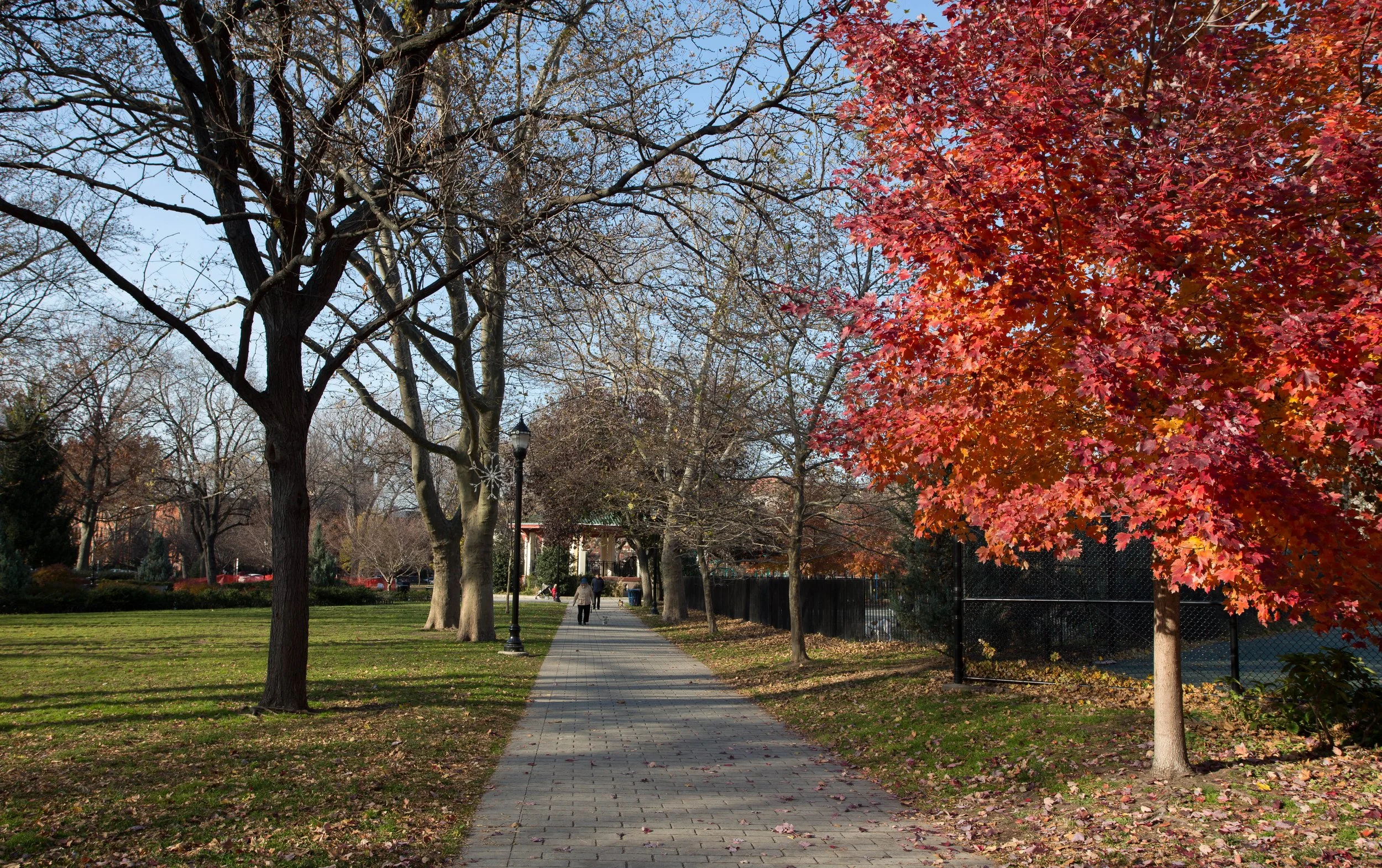
The Mile Square as we photograph it: the waterfront, the brownstones, the streets our team works every day.



Common Questions
Frequently Asked Questions About Living in Hoboken
$3B+
In Closed Sales
6,000+
Transactions Closed
N°1
Coldwell Banker Team in NJ
20+
Years in the Mile Square
Work With Us
Work With Hoboken’s Top Real Estate Team
We know which buildings have upcoming assessments, which blocks have appreciated most, and which listings are genuinely worth moving quickly on. If you're buying, that knowledge is your edge. If you're selling, it means your price is built on real transaction data, not regional averages.
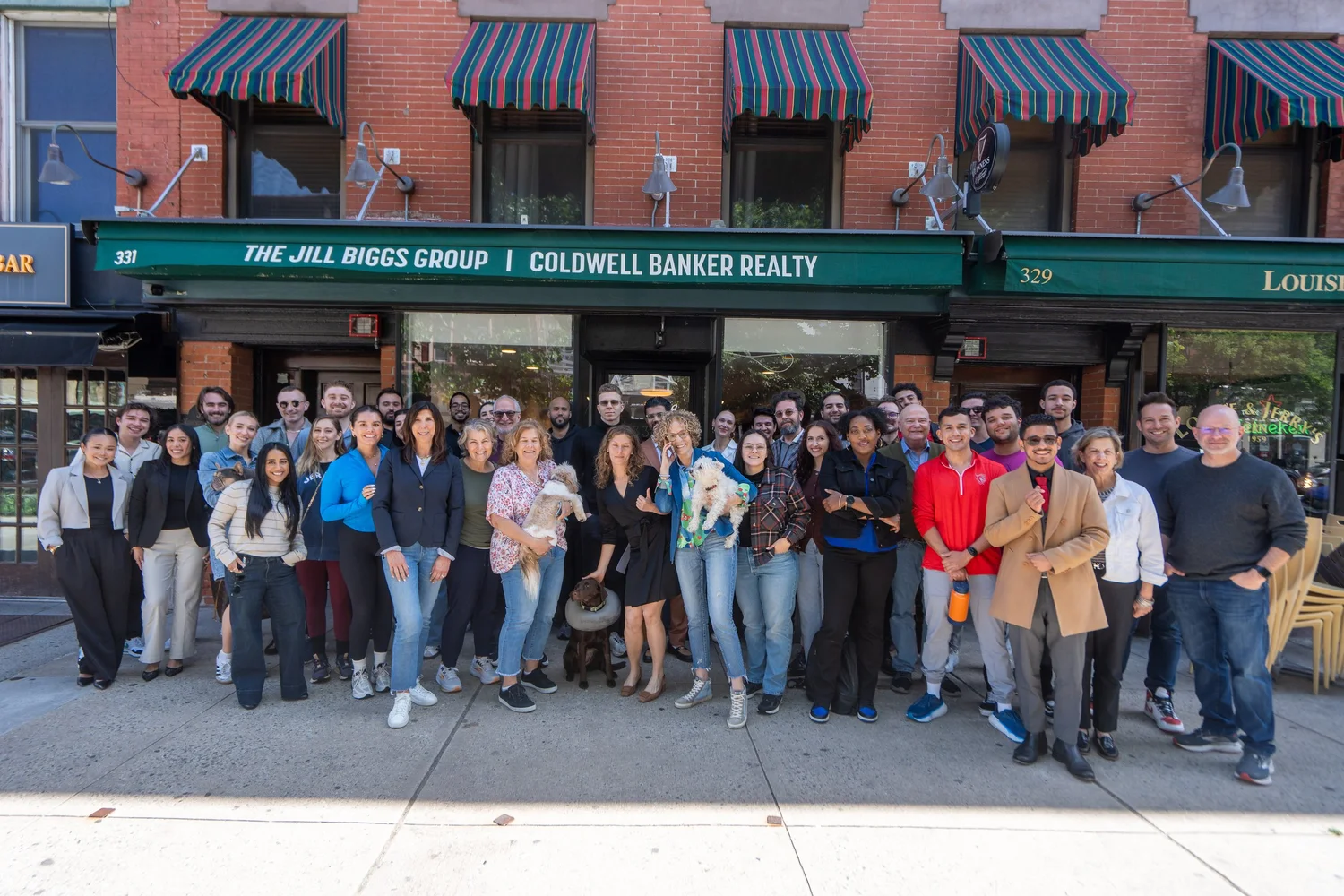
The Jill Biggs Group · Hardwired for Hardwork. · 331 Washington Street, Hoboken
BUILDINGS IN HOBOKEN