
How to Get From Jersey City to NYC: The Complete 2026 Commuter Guide
Quick summary
Jersey City offers four ways to commute to Manhattan: PATH train (8–20 min, $3.00/ride), NY Waterway Ferry (10–15 min, $7.75–$9.75/ride), NJ Transit bus (30–50 min, $5–$6/ride), and driving via Holland or Lincoln Tunnel (20–45 min, $14.79–$23.30 toll). PATH is the fastest and most affordable option for most residents.
This is your premium, no-nonsense guide to living in Jersey City and working in Manhattan, written for future residents who expect efficiency, clarity, and the best commute possible.
If you’re considering a move to Jersey City, one of the first things you’ll evaluate is how easy it is to get into Manhattan. As a team that helps hundreds of buyers and renters navigate Hudson County every year, the Jill Biggs Group knows this route inside and out, which neighborhoods offer the fastest access, what each commute actually feels like, and how to choose a home that aligns with your lifestyle.
Below is your comprehensive, locally sourced commute guide designed to help you make an informed move. And when you're ready to explore homes that match your commute goals, we’re here to help you find the right fit.
If you’re considering buying or selling anywhere in Jersey City, talk to a local Jersey City real estate agent who understands pricing across neighborhoods.
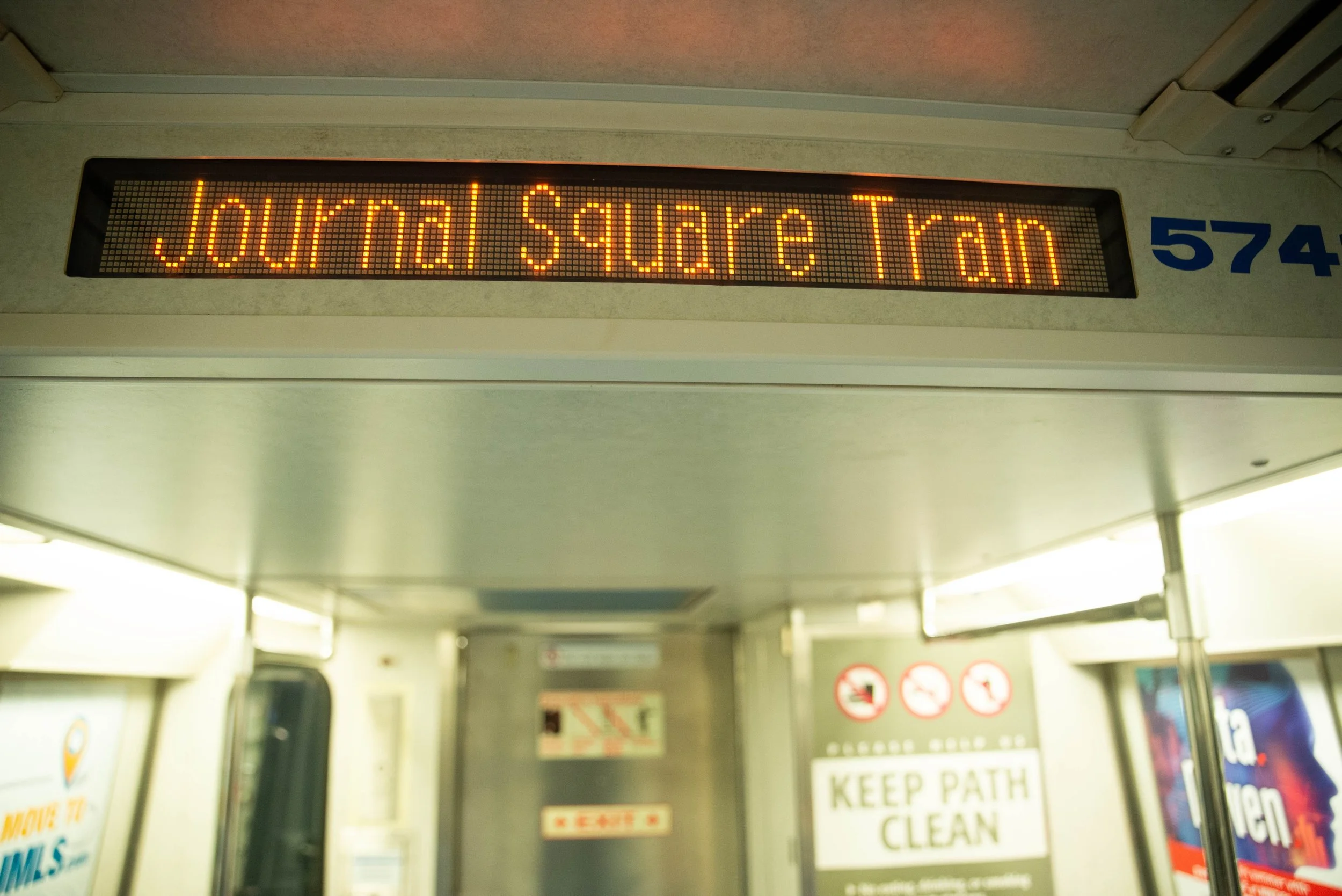
PATH Train Jersey City to Manhattan
At a glance: Jersey City to NYC commute options
| Option | Commute time | Single ride | Monthly pass | Frequency | Best for |
|---|---|---|---|---|---|
| PATH Train | 8–20 min | $3.00 | $120.75/mo (30-day unlimited) | Every 3–8 min (peak) | Daily commuters, fastest option |
| NY Waterway Ferry | 10–15 min | $7.75–$9.75 | Varies by route | Every 20–30 min (peak) | Waterfront residents, scenic commute |
| NJ Transit Bus | 30–50 min | $5.00–$6.00 | See njtransit.com | Every 10–20 min | Heights, West Side, Greenville residents |
| Driving | 20–45 min | $14.79–$23.30 (toll) | Varies | On demand | Occasional trips, off-peak only |
Fares as of May 2026. PATH 30-day unlimited SmartLink pass $120.75; 40-trip TAPP card $114.00. SmartLink being discontinued fall 2026. Ferry fares $7.75–$9.75/ride depending on route; see nywaterway.com for monthly commuter pass options. NJ Transit bus single ride $5.00–$6.00 (interstate routes); monthly pass pricing at njtransit.com. Driving tolls $14.79–$23.30 depending on time of day and vehicle class.
How to pay on PATH
TAPP (Total Access PATH Payment) is PATH's contactless fare payment system. You can pay for your ride directly at the turnstile using a contactless credit or debit card, or a smart device such as an iPhone or Android with a digital wallet. No separate transit card is required. SmartLink cards are also currently accepted but will be discontinued in fall 2026 — new riders should set up TAPP from the start.
1. PATH: The Fastest and Most Reliable Way Into Manhattan
The PATH system is the backbone of the commute from Jersey City to NYC. Fast, frequent, and designed specifically for Hudson County residents, PATH trains connect Jersey City with Midtown and Lower Manhattan in minutes.
Official PATH Schedules & Maps
Key Routes
Journal Square → 33rd Street (Midtown)
Grove Street / Exchange Place → World Trade Center (Downtown)
Hoboken → Midtown (33rd St) or Downtown (WTC)
Why PATH Works for Most Residents
Trains every 3–8 minutes during peak periods
Direct access to WTC and Herald Square
A consistent 7–15 minute ride, depending on the station
Operates 24/7
Neighborhoods With Exceptional PATH Access
Downtown Jersey City (Grove St, Newport, Exchange Pl): Best for NYC-bound professionals
Journal Square: Direct line to Midtown
Paulus Hook: Short walk to Exchange Place PATH
If proximity to PATH is a must-have, tell us — we’ll map every listing to its nearest station and travel time.
2. NJ TRANSIT Buses: The Flexible Backup Option
NJ Transit buses offer direct connections from Jersey City to major points in Manhattan, including the Port Authority Bus Terminal.
Official NJ TRANSIT Schedules & Fares
Why Residents Use the Bus
Extensive coverage in neighborhoods farther from PATH
More flexibility late at night or early morning
Direct Midtown access without transfers
Best Neighborhoods for Bus Commuters
The Heights
West Side
Greenville
Bergen-Lafayette
We can help you compare neighborhoods based on walkability to both PATH and bus lines — a major factor for many buyers.
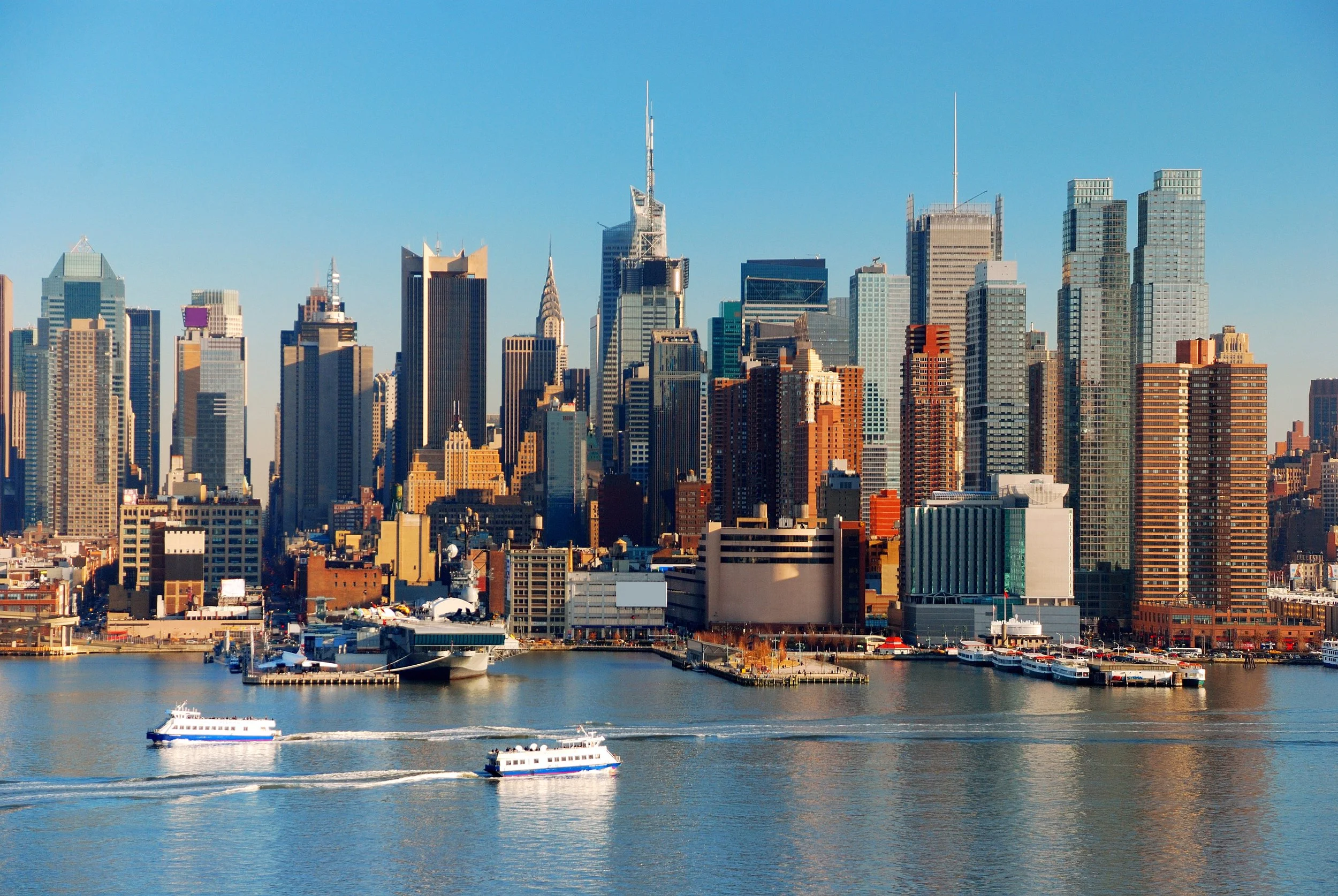
NY Waterway ferry Jersey City to Midtown and Downtown
3. Ferry Service: The Scenic, Comfortable Alternative
If you want the most pleasant commute possible, the ferry is worth considering. Many Jersey City residents choose the ferry for a calmer, more scenic ride into Manhattan.
Official North River Ferry Landing Schedules
(Operated in partnership with U.S. DOT and local agencies; schedules hosted on government transit infrastructure)
Hudson River Ferry Terminal Information
Why Commuters Choose the Ferry
Less crowding
Beautiful skyline views
Direct access to Midtown and Downtown
Fast, reliable crossings
Best Neighborhoods for Ferry Access
Paulus Hook
Liberty Harbor
Newport Waterfront
Check out our detailed guide for more information on commuting from NJ to NYC via Ferry.
4. Driving Into NYC + Jersey City Resident Parking Permits
Driving into Manhattan is an option — although tolls and traffic mean it’s usually best for occasional trips, not daily commuting
.
Official Jersey City Parking & Permit Information
Resident Parking Permits: What You Need to Know
Jersey City has strict zone parking regulations. If you plan to live here with a car, you’ll need a resident permit for most residential streets.
What it covers:
Street parking in your designated zone
Annual permit (typically ~$20 for first household vehicle)
Digital permit linked to your license plate
Required Documents:
Driver’s license
Proof of residency (lease, deed, utility bill)
Vehicle registration
We routinely advise clients on which neighborhoods are permit-heavy vs. permit-light — and which buildings include locked garage parking.
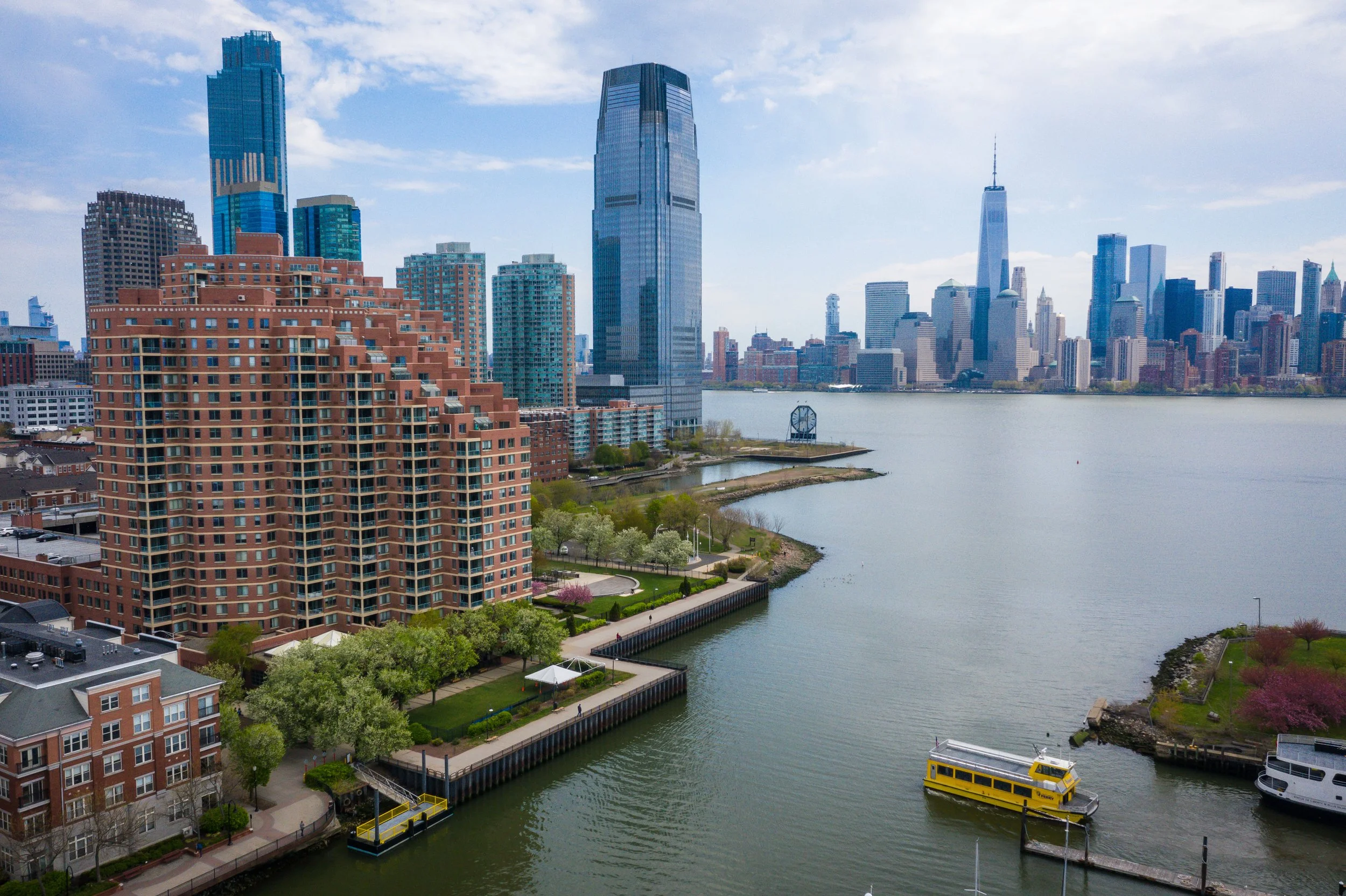
Jersey City, NJ Apartment building
Neighborhood-by-Neighborhood Commute Breakdown
Choosing the right Jersey City neighborhood is often a question of what commute you want. Here’s how each major area compares:
Downtown Jersey City
Best for: Fastest commute
Commute: 5–10 minutes to Manhattan
Transit: Grove St PATH, Exchange Pl PATH, Ferry
Vibe: Luxury high-rises, dining, waterfront parks
Journal Square
Best for: Midtown commuters
Commute: 20 minutes to 33rd St
Transit: Journal Square PATH
Vibe: Historic homes, major redevelopment
The Heights
Best for: Value + space
Commute: 25–35 minutes (bus + PATH)
Transit: NJ Transit buses, elevator to Hoboken PATH
Vibe: Brownstones, vibrant local businesses
Bergen-Lafayette
Best for: Buyers prioritizing space + growth
Commute: 20–30 minutes (Lafayette to Grove PATH or light rail → ferry/PATH)
Transit: Light Rail
Vibe: Arts, parks, historic row homes
Greenville / West Side
Best for: Affordability
Commute: 30–45 minutes
Transit: NJ Transit buses
Vibe: Residential and community-driven
Tell us your preferred commute time, and we’ll shortlist neighborhoods aligned with your daily rhythm.
FAQ: Your Jersey City to NYC Questions, Answered
PATH train is the fastest option for most Jersey City residents. From Downtown Jersey City, the Grove Street or Exchange Place PATH station puts you at the World Trade Center in 8–10 minutes. From Journal Square, the ride to 33rd Street in Midtown takes approximately 20 minutes. PATH operates 24/7 with trains every 3–8 minutes during peak hours.
A single PATH ride costs $3.00 as of May 2026. PATH uses TAPP (Total Access PATH Payment), a contactless system — you can tap a credit card, debit card, or smart device directly at the turnstile with no separate transit card needed. For frequent commuters, a 40-trip TAPP card costs $114.00 ($2.85 per ride), and a 30-day unlimited SmartLink pass costs $120.75. NY Waterway Ferry fares range from $7.75 to $9.75 per ride depending on the Manhattan destination. NJ Transit bus fares for Jersey City to Manhattan routes range from $5.00–$6.00 per ride; for monthly pass pricing visit njtransit.com.
Commute times from Jersey City to Manhattan range from 8 to 45 minutes depending on your neighborhood and transit choice. Downtown Jersey City residents using PATH reach the World Trade Center in 8–10 minutes. Journal Square PATH to 33rd Street takes 20 minutes. The Heights and West Side neighborhoods via NJ Transit bus take 30–45 minutes. Ferry crossings from the waterfront take 10–15 minutes on the water, plus time to reach the terminal.
Downtown Jersey City offers the best commute to NYC. Neighborhoods like Paulus Hook, Newport, and Exchange Place have direct PATH access to the World Trade Center in under 10 minutes, as well as ferry service from the waterfront. Journal Square is the best option for Midtown commuters, with a direct PATH line to 33rd Street in approximately 20 minutes.
Yes — Jersey City is one of the most transit-accessible cities in the New York metro area. The PATH train runs 24/7 with frequent service, NJ Transit buses connect to the Port Authority Bus Terminal in Midtown, and the NY Waterway ferry provides a scenic crossing from the waterfront. Most Jersey City residents are able to reach Midtown or Downtown Manhattan in under 30 minutes.
Yes. The PATH train operates 24 hours a day, 7 days a week, including holidays. During off-peak hours and overnight, trains run less frequently — typically every 15–30 minutes. During weekday peak periods, trains run every 3–8 minutes on the Journal Square–33rd Street and Hoboken–World Trade Center lines.
The most direct route from Jersey City to Midtown Manhattan is the PATH train from Journal Square station to 33rd Street (Herald Square), which takes approximately 20 minutes. NJ Transit buses also run directly to the Port Authority Bus Terminal at 42nd Street and 8th Avenue. From the Downtown waterfront, NY Waterway ferry service connects to Midtown piers at West 39th Street.
The fastest route from Jersey City to Downtown Manhattan is the PATH train from Grove Street or Exchange Place to the World Trade Center station, which takes 8–10 minutes. The NY Waterway ferry also connects Jersey City's waterfront to Downtown Manhattan's Brookfield Place terminal in approximately 10 minutes.
For many Manhattan workers, Jersey City offers a compelling alternative: faster commutes from Downtown JC than from many Manhattan neighborhoods, significantly lower rents and purchase prices, and waterfront access. The PATH commute from Downtown Jersey City to Wall Street takes under 10 minutes — quicker than many crosstown subway rides within Manhattan itself.
PATH train is the best car-free option for most Jersey City residents. It is fast, affordable ($3.00/ride), runs 24/7, and connects directly to multiple Manhattan destinations including the World Trade Center and Herald Square. For residents closer to the waterfront, the NY Waterway ferry is an excellent alternative. NJ Transit buses provide coverage for neighborhoods further from PATH stations.
Ready to Explore Jersey City? Let Us Guide Your Move.
Whether you’re planning to rent or buy, your commute should support the lifestyle you want — not complicate it. At The Jill Biggs Group, we help you evaluate homes, neighborhoods, and commute times together, ensuring your next move sets you up for success.
Explore more: