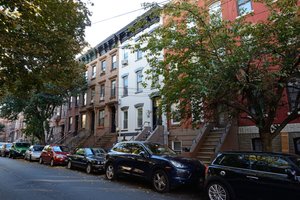
Ferry Commutes from Weehawken, Hoboken, and Jersey City
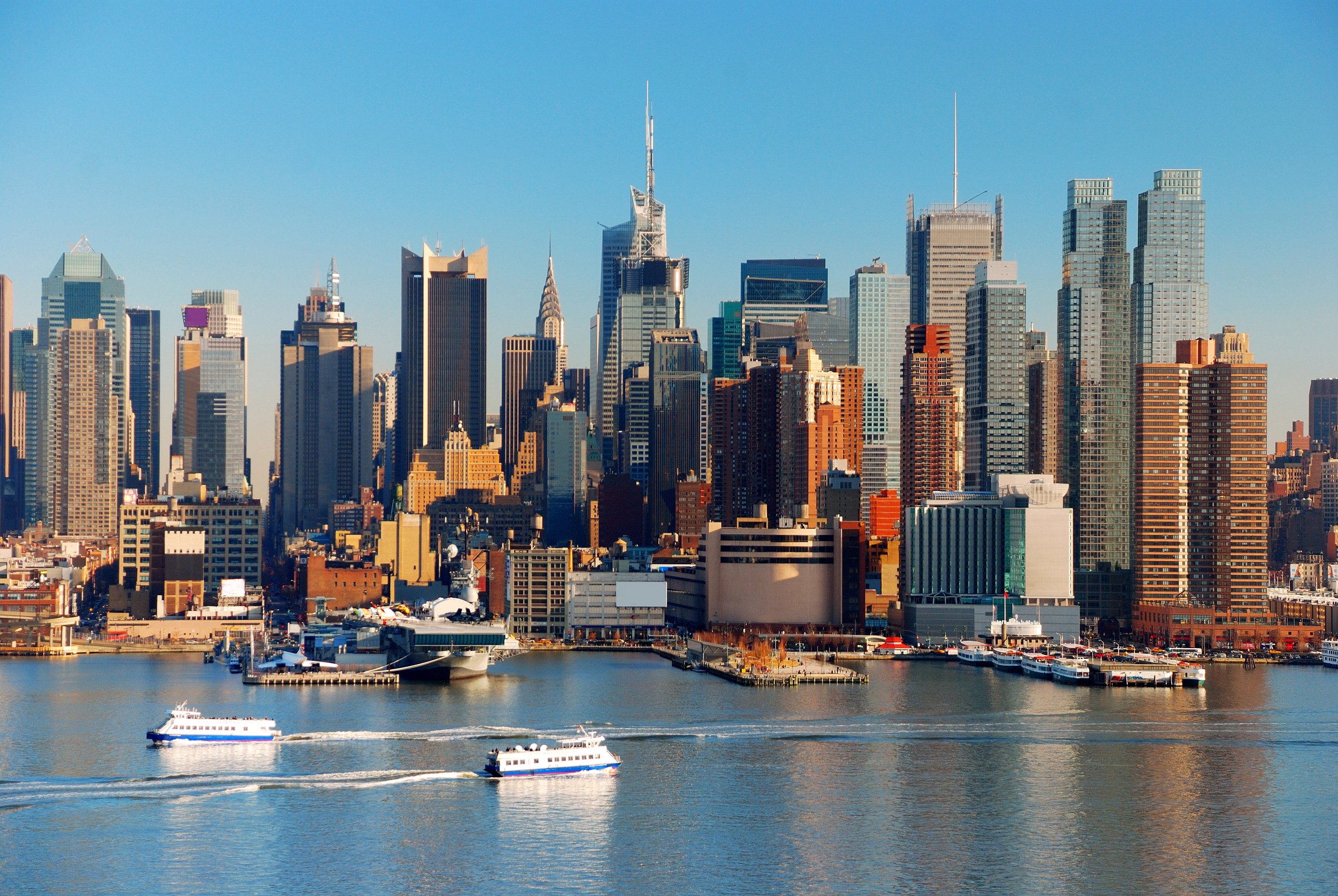
NY Waterway Ferries
Comparing NJ’s Best Ferry-Focused Towns for NYC Professionals
For NYC professionals who value reliability, comfort, and a calmer start to the workday, ferry commuting from New Jersey continues to stand out in 2025–2026. Hudson River ferries offer predictable travel times, skyline views, and direct access to key Manhattan office corridors, making them especially appealing for hybrid workers and professionals based on the West Side.
This guide compares ferry commutes from Weehawken, Hoboken, and Jersey City, helping buyers understand how these ferry-friendly NJ towns differ in commute style, lifestyle, and overall fit.
For a broader comparison of Hoboken vs. Jersey City, see our comprehensive guide on relocating to Hoboken vs. Jersey City.
Why Choose a Ferry Commute from New Jersey?
Ferry commuting appeals to professionals who want:
More reliable travel times compared to rail disruptions
A less crowded, more comfortable commute
Direct access to Midtown West and Downtown Manhattan
A commute experience that feels calmer and more intentional
According to NY Waterway, ferry routes across the Hudson are designed to avoid rail congestion while offering frequent peak-hour service to Manhattan’s west side terminals. This makes ferry towns particularly attractive to professionals working near Hudson Yards, Midtown West, and the Financial District.
Weehawken: The Most Ferry-Focused Option
Weehawken is one of the most ferry-centric commuter towns in New Jersey, especially for professionals working in Midtown Manhattan.
Ferry Commute Snapshot
Primary ferry routes: Midtown West (West 39th Street)
Typical on-water time: 8–15 minutes
Best for: Midtown professionals, hybrid workers, downsizers
Ferry reliance: High
Weehawken’s waterfront neighborhoods are built around ferry access, making it a strong choice for buyers who want a dependable, ferry-first commute without relying on train schedules. Many residents combine ferry service with local shuttles or light rail for last-mile convenience.
Lifestyle Considerations
Quieter and more residential than Hoboken
Strong appeal for professionals seeking space and views
Car ownership is common but not always required near the waterfront
Hoboken: Ferry Access with Maximum Flexibility
Hoboken is one of New Jersey’s most versatile commuter towns, offering ferry service alongside PATH and NJ Transit rail.
Ferry Commute Snapshot
Primary ferry routes: Midtown West and Downtown Manhattan
Typical on-water time: 10–20 minutes
Best for: Professionals who want multiple commute options
Ferry reliance: Moderate
Many Hoboken residents use the ferry strategically, especially during peak congestion or when PATH and rail service experience delays. Hoboken’s transit redundancy is one of its biggest advantages.
For official ferry schedules and routes serving Hoboken, see NY Waterway’s Hoboken terminal information.
Jersey City: Ferry as a Flexible Add-On
In Jersey City, ferry service is concentrated in specific waterfront neighborhoods and typically complements PATH commuting rather than replacing it.
Ferry Commute Snapshot
Primary ferry areas: Paulus Hook, Harborside, Newport
Typical on-water time: 10–20 minutes
Best for: Professionals who want optional ferry access
Ferry reliance: Low to moderate
Jersey City works well for commuters who want flexibility depending on office location, weather, or schedule. Many residents alternate between ferry and PATH service, using the ferry for comfort and PATH for frequency.
For a deeper breakdown by neighborhood and transit type, see our complete Jersey City commute guide.
Weehawken vs Hoboken vs Jersey City: Ferry Comparison at a Glance
Best for ferry-only commuters: Weehawken
Best for flexible commuters: Hoboken
Best for mixed transit strategies: Jersey City waterfront neighborhoods
Choosing the right ferry town often comes down to how often you commute and whether you prefer a single reliable option or multiple backups. Explore our 2025-2026 NJ Commuter Guide to learn more about your options.
Ferry Costs and Planning Considerations
Ferry fares are typically higher than PATH or NJ Transit, with monthly passes often ranging from the mid-$200s to $300+, depending on route and frequency. Hybrid workers commuting fewer days per week often find ferry living more cost-effective than daily riders.
For comparison, NJ Transit rail and bus fares can be reviewed directly via NJ Transit, which many buyers use as a benchmark when weighing ferry costs.
Ferry Commutes from Weehawken, Hoboken, and Jersey City: FAQ
-
In many cases, yes. Ferry rides from Weehawken and Hoboken to Manhattan can take as little as 8 to 20 minutes on the water. Door-to-door time is often competitive for professionals working near Midtown West or waterfront office corridors.
-
Weehawken is the most ferry-focused option. Its waterfront neighborhoods are designed around ferry access, making it ideal for professionals who want a predictable, ferry-first commute.
-
Yes. Hoboken offers ferry routes to both Midtown West and Downtown Manhattan, giving commuters flexibility depending on office location and schedule.
-
Yes, but service is neighborhood-specific. Waterfront areas such as Paulus Hook and Newport have consistent ferry service, often paired with PATH for added flexibility.
-
Monthly ferry costs typically range from the mid-$200s to $300+, depending on route and usage. Hybrid workers often offset costs by commuting fewer days per week.
-
Absolutely. Ferry commuting is especially attractive for hybrid schedules because it prioritizes comfort and reliability over daily cost efficiency
-
Hoboken supports a fully car-free lifestyle for many residents. In Weehawken and parts of Jersey City, car ownership is more common, though waterfront areas near ferry terminals can support mostly car-free living.
About The Jill Biggs Group
The Jill Biggs Group helps buyers and sellers navigate Hoboken, Jersey City, Weehawken, and other top NJ commuter towns with expert insight into transit options, neighborhood dynamics, and long-term value. Whether ferry commuting is a priority or just one part of your decision, our team helps you choose the right location for how you actually live and work.