

Flood Zone & Flood Insurance Guide for Hoboken and Waterfront Jersey City

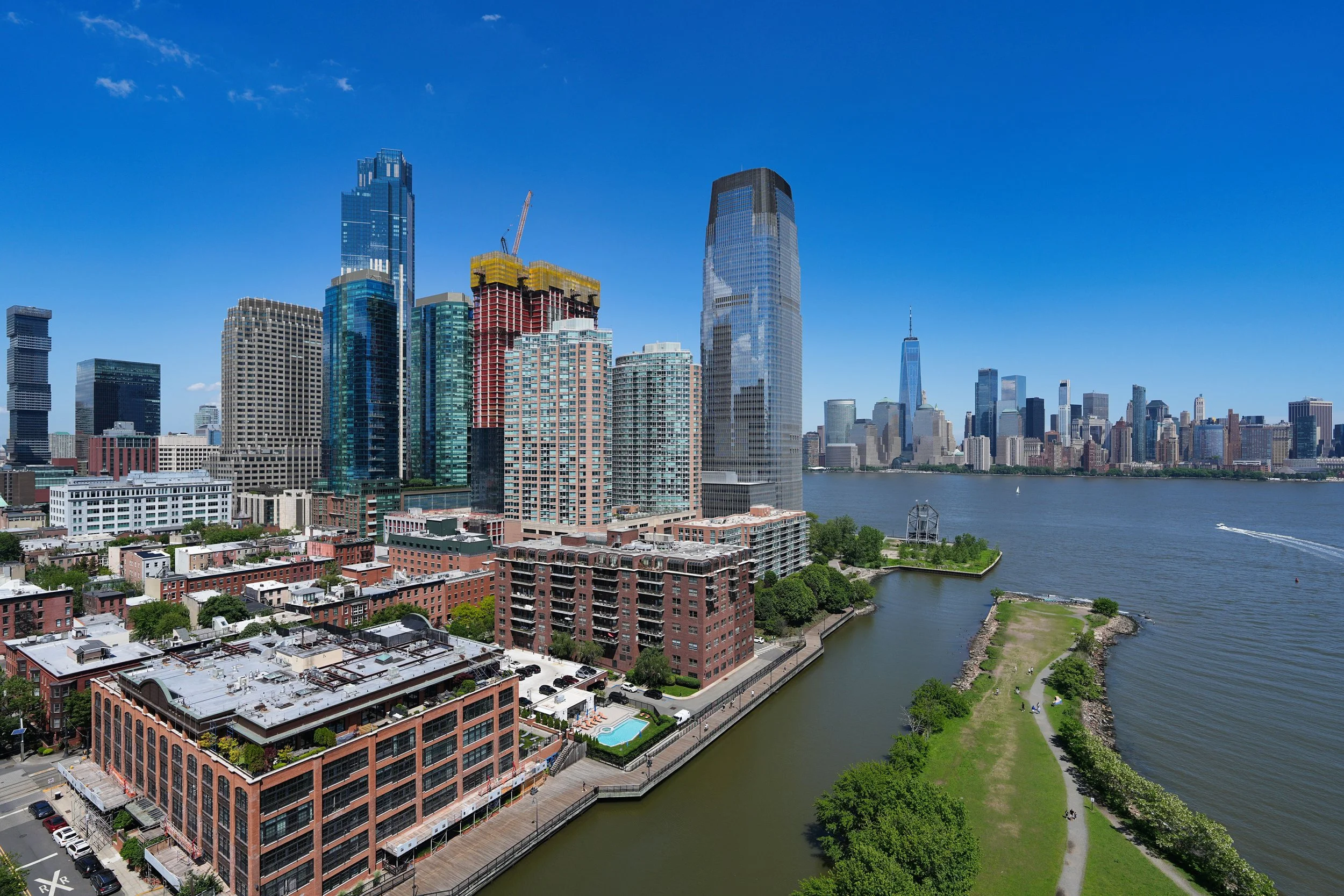
Understanding FEMA risk categories and elevation data helps buyers accurately project monthly carrying costs before making an offer.
For most of the 20th century, flood risk was an afterthought for buyers in Hoboken and Jersey City. Superstorm Sandy changed that permanently. In October 2012, storm surge pushed Hudson River water through Hoboken's streets, flooding an estimated 80% of the city, according to the City of Hoboken's own Rebuild by Design project materials. More than a decade later, flood zone status and flood insurance costs are a standard part of due diligence for buyers considering a home anywhere near the waterfront in Hudson County.
This guide covers how FEMA flood zones work, how to check a specific property's designation, which areas of Hoboken and waterfront Jersey City carry elevated risk, what flood insurance costs and covers, and what to do with this information before you make an offer. For neighborhood-level context, see our Hoboken Community Guide and Jersey City Community Guide.
Parts of Hoboken and waterfront Jersey City, including sections of the southwest/waterfront-adjacent blocks in Hoboken and the Exchange Place and Paulus Hook areas of Jersey City, fall within FEMA-designated flood zones that can require flood insurance for federally-backed mortgages. Insurance is mandatory in high-risk (Zone AE/VE) areas with a federally-backed loan and optional but recommended in moderate-to-low-risk zones. Premiums vary significantly by zone, elevation, and building type, so checking a property’s exact designation before writing an offer is essential.
Understanding FEMA Flood Zones
FEMA assigns every property in the country a flood zone designation based on its statistical risk of flooding in a given year. The three designations you're most likely to encounter in Hoboken and Jersey City work like this
Minimal to Moderate Risk
Flood insurance is not federally required in Zone X, though it’s still purchasable. Premiums here are lower if you choose coverage, but minimal risk doesn’t mean no risk: nearly a third of NFIP claims nationally (29%, FEMA/floodsmart.gov, based on 2014 to 2024 claims data) come from properties outside high-risk zones.
High-Risk, 1% Annual Flood Chance
Zone AE is the “100-year floodplain.” Flood insurance is mandatory if you have a federally-backed mortgage. Expect meaningfully higher premiums, and lenders will require proof of coverage before closing.
High-Risk Coastal, With Wave Action
Zone VE carries the added hazard of wave action and is the highest-cost tier of NFIP coverage. It typically applies to direct waterfront and coastal-exposure properties rather than most inland Hoboken or Jersey City addresses. Insurance is mandatory with a federally-backed mortgage here as well.
Knowing which of these three zones a property falls into is only useful once you can check the exact address, which is the next step.
How to Check if a Specific Property Is in a Flood Zone
Don't rely on a neighborhood's general reputation. Flood zone boundaries can change block by block. To check an exact address, search the property on FEMA's Flood Map Service Center, enter the address, and review the FIRM (Flood Insurance Rate Map) panel that comes up. If you're already under contract or seriously considering an offer, ask the seller's agent whether an elevation certificate exists for the property. This document, prepared by a licensed surveyor, establishes the building's lowest floor elevation relative to the base flood elevation and directly affects insurance pricing.
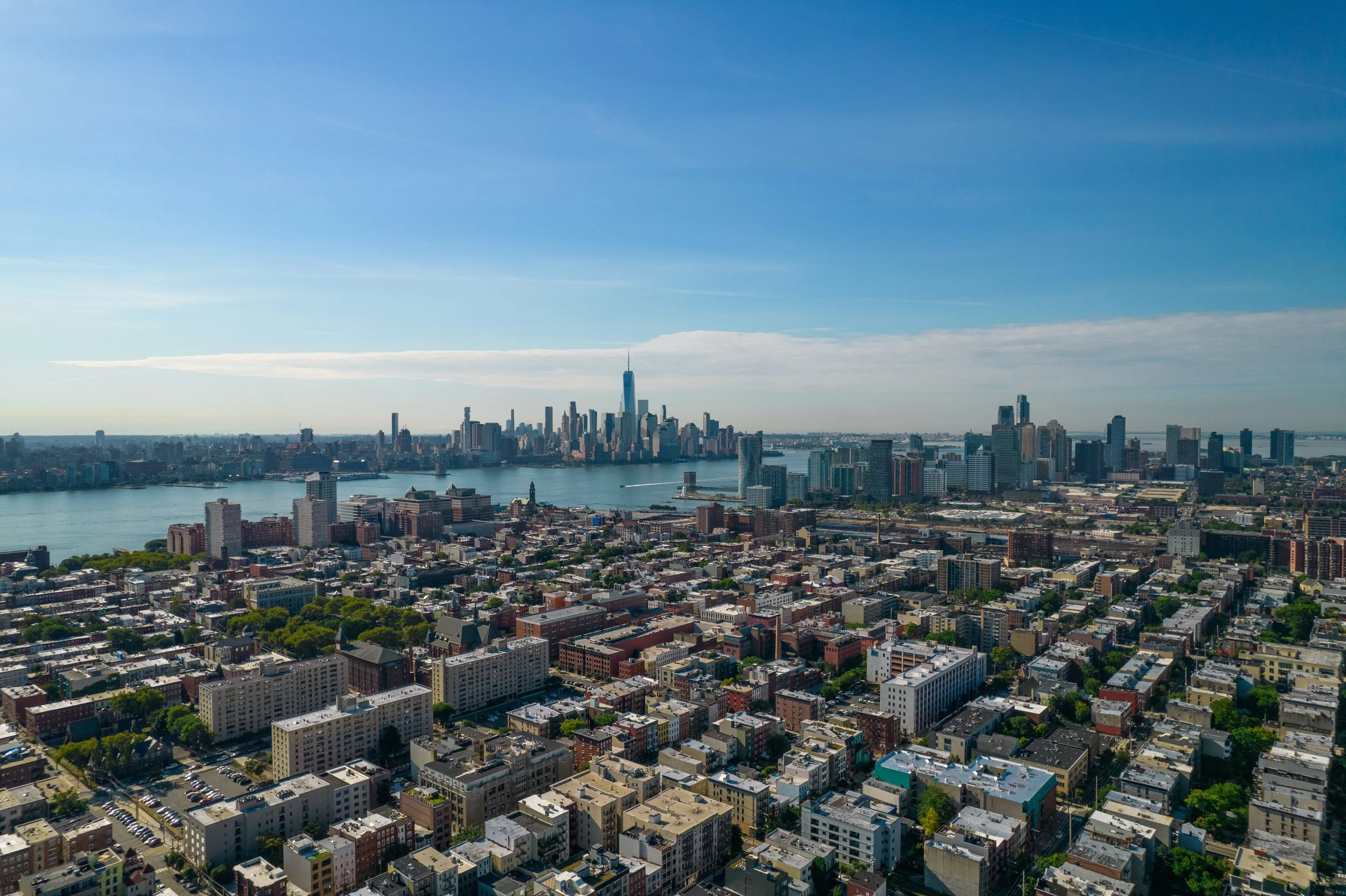
With the zone designation and elevation certificate in hand, it helps to understand why Hoboken and waterfront Jersey City carry this risk in the first place.
Hoboken's Flood History and Current Risk Areas
Hoboken's flood exposure is well documented. Superstorm Sandy in 2012 remains the benchmark event, with widespread flooding across the city's lower-lying areas. Since then, the city has invested heavily in resiliency infrastructure through the Rebuild by Design Hudson River Project, a $230 million HUD-funded initiative covering Hoboken, Weehawken, and part of Jersey City. The project follows a four-part “Resist, Delay, Store, Discharge” strategy: hard infrastructure like floodwalls, berms, and deployable flood gates to resist storm surge, plus green infrastructure and upgraded stormwater systems to manage heavy rainfall.
$230M
HUD-funded, covering Hoboken, Weehawken, and part of Jersey City
~9,000 ft
Of flood protection infrastructure once the full system is complete
25+
Deployable gates planned at key roadway and access points
The state's Department of Environmental Protection is currently advancing the Resist portion of the project, while the city is advancing the Delay, Store, and Discharge elements through projects such as Harborside Park, a nearly three-acre waterfront park at 15th Street and Park Avenue that integrates flood walls and gates directly into its design. Once complete, the full system is projected to include nearly 9,000 feet of flood protection infrastructure and more than 25 deployable flood gates at key roadway and access points.
Buyers should treat any pre-war or ground-floor unit in the city's historically lower-lying pockets as worth a flood-zone check regardless of how the listing is marketed, and regardless of how far along the resiliency work is in that particular block.
Waterfront Jersey City Risk Areas
Jersey City's Hudson-adjacent submarkets, including Exchange Place and Paulus Hook, sit closest to the river and warrant the same scrutiny. Newer high-rise construction in these areas is often built with updated flood-resilient design standards, but that doesn't exempt buyers from checking the specific building's zone designation and insurance requirements.
Once you know a property's zone, the next question is what kind of policy covers it.
Flood Insurance Basics: NFIP vs. Private
Federally backed and available in any community that participates in the NFIP, which includes both Hoboken and Jersey City. Coverage is capped at $250,000 for the building and $100,000 for contents on one-to-four-family residential structures. This is the default option most lenders recognize automatically.
Offered by private carriers, sometimes with higher coverage limits or more flexible terms than NFIP. Pricing and availability vary by carrier and property. Private coverage is increasingly common as an alternative or supplement to NFIP, especially for higher-value homes where NFIP’s caps fall short of full replacement cost.
Both types typically cover structural damage and, if elected, contents, but neither typically covers temporary living expenses or vehicle damage, worth checking against your homeowner’s policy for gaps.
What Flood Insurance Costs Here
Flood insurance premiums in Hoboken and Jersey City vary widely based on flood zone designation, the building's elevation relative to base flood elevation, construction type, and whether you're insuring a condo unit versus a standalone structure. Because the elevation certificate drives pricing far more precisely than the zone designation alone, no general premium range is reliable enough to publish here. The right move is a personalized quote from a licensed NJ flood insurance agent once you have a specific address and, ideally, an elevation certificate in hand. Treat the quote as part of your carrying cost calculation before you get too far into a deal.
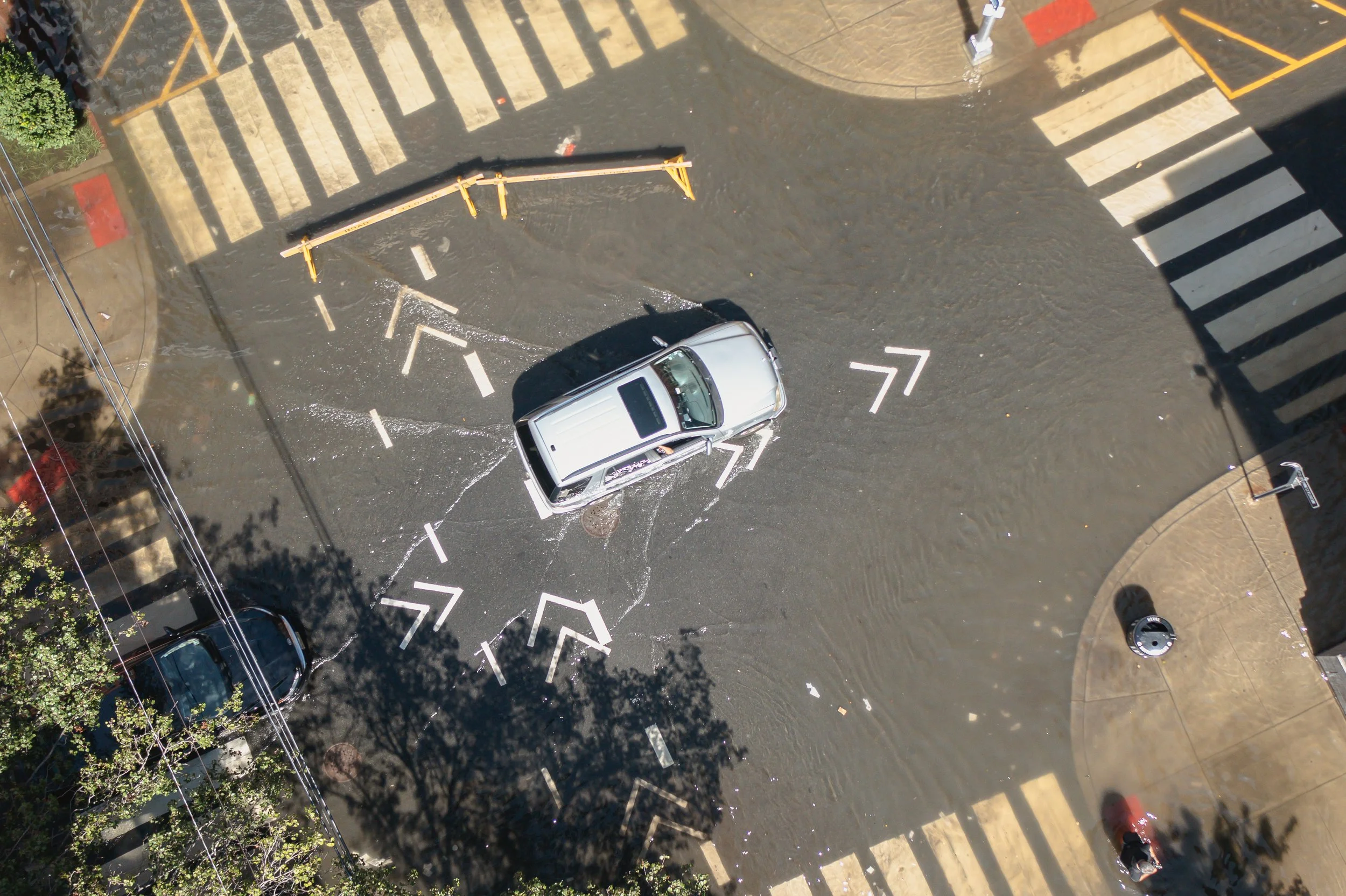
Working with a licensed agent to review property-specific insurance rates ensures long-term financial peace of mind and zero surprises at closing.
Is Flood Insurance Required, or Optional?
If you're financing a property in a high-risk zone (AE or VE) with a federally-backed mortgage, which includes most conventional loans sold to Fannie Mae or Freddie Mac, plus FHA and VA loans, your lender is required by law to mandate flood insurance for the life of the loan. In moderate- or low-risk zones, including most Zone X properties, coverage isn't required but is worth considering: 29% of NFIP claims nationally between 2014 and 2024 came from outside high-risk zones (FEMA/floodsmart.gov).
Before You Make an Offer: A Buyer's Checklist
We Help Buyers Navigate Flood Risk Across Hudson County
The Jill Biggs Group has guided buyers through waterfront and near-waterfront purchases across Hoboken and Jersey City for more than 20 years, and we’re the #1 real estate team in New Jersey by RealTrends Verified 2026. We coordinate with local surveyors and insurance providers so you understand your full cost picture before you’re under contract.